7 Advantages of Repairing Your Ford at a Trained Ford Dealer
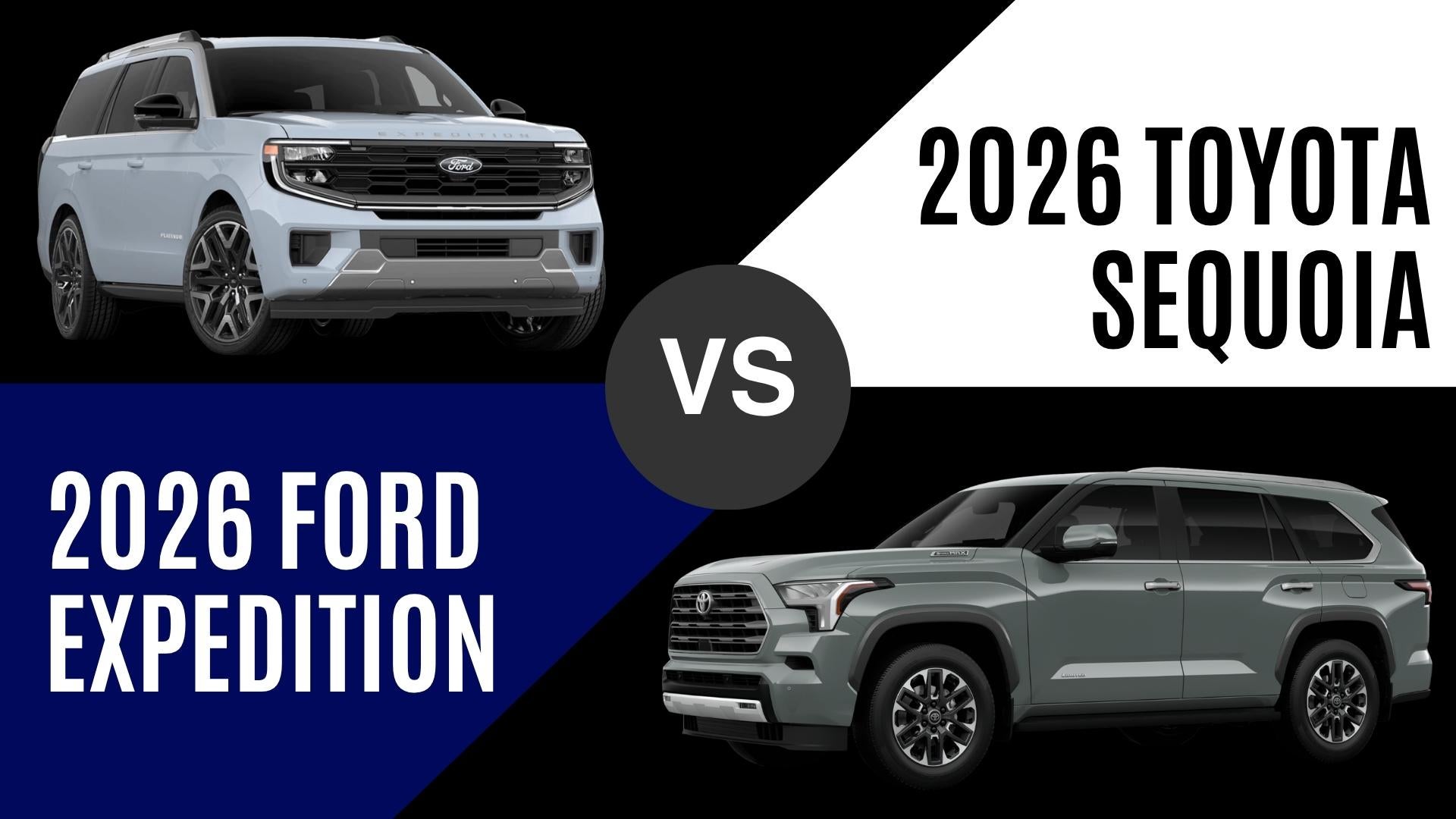
Full-Size Capability for Central Arkansas Families Shopping for a full-size SUV in Jacksonville, AR, usually comes down to two standout options: the 2026 Ford Expedition and the 2026 Toyota Sequoia. Both bring bold styling, three rows of seating for eight passengers, strong towing capability, and modern technology built for Arkansas families. Design, performance, off-road confidence, safety, and everyday usability all play a role in choosing between them, and for most drivers around Central Arkansas, one tends to stand out. We've broken it down here at Crain Ford of Jacksonville. Vehicle Comparison 2026 Ford Expedition Horsepower 440 hp AWD Availability Available Fuel Economy / Range 15 city/22 hwy/18 combined (4×4) mpg (city/hwy) Seating Capacity 8 Top Features 440-HP Twin-Turbo V6 Engine Available BlueCruise Hands-Free Driving Standard Apple CarPlay Connectivity Towing Capacity 9,600 lbs Find Your New Expedition 2026 Toyota Sequoia Horsepower 437 hp AWD Availability Available Fuel Economy / Range 19 city/22 hwy/20 combined (4×4) mpg (city/hwy) Seating Capacity 8 Top Features 437-HP Hybrid Twin-Turbo V6 Engine Hybrid-Powered Off-Road Torque Control Premium Cabin with Advanced Tech Integration Towing Capacity 8,980-9,520 lbs Check Out Our Used Inventory Full-Size Power for Everyday Arkansas Driving Both the 2026 Ford Expedition and 2026 Toyota Sequoia run gas-powered engines and seat up to eight passengers. From I-440 commutes to Little Rock Air Force Base, or a weekend trip through Cabot or Sherwood, both SUVs deliver the space and power Central Arkansas families rely on. Deeper specs on the Expedition are available on our 2026 Ford Expedition model research page. Design and Styling Bold, confident American SUV styling defines the 2026 Expedition's approach, with a wide stance, a strong front grille, and refined proportions that give it a commanding presence on Jacksonville roads. The design feels purpose-built for weekend adventures without losing its everyday polish. A modern, rugged aesthetic carries through the 2026 Sequoia instead, drawing on Toyota's truck heritage. Sculpted body lines and an aggressive front end emphasize durability and off-road readiness over refinement. Both SUVs project real strength, but the Expedition balances that boldness with broader family appeal, working just as well for daily driving as it does for weekend trips. First Impressions: Expedition: Bold, balanced, refined full-size presence Sequoia: Rugged, truck-inspired styling Expedition offers broader everyday appeal Performance and Power Performance is where these two SUVs really start to separate. The 2026 Ford Expedition (4x4, Max Output) delivers 440 horsepower, 4WD capability, and strong twin-turbo V6 performance. The 2026 Toyota Sequoia (4x4) counters with 437 horsepower, matching 4WD capability, and a hybrid twin-turbo V6 powertrain. Both SUVs bring serious power, but the Expedition edges ahead with its 440-hp max output, a real advantage when merging onto busy highways or towing through the River Valley. The Sequoia's hybrid system leans toward balanced performance and efficiency instead, delivering smooth power and strong low-end torque. Under the Hood: Expedition: 440 hp (higher peak output) Sequoia: 437 hp hybrid system Both offer 4WD capability Expedition has a slight horsepower advantage Off-Road and Towing Capability Arkansas SUV buyers often want more than pavement performance, and both models offer 4x4 systems built for improved traction on dirt, gravel, and uneven terrain. Controlled torque defines the Sequoia's hybrid powertrain on the trail, great for light off-road use and tricky terrain. The Expedition's 4WD system pairs with its high-output engine to deliver confident traction and power on rural roads, muddy job sites, and campsite access points across Central Arkansas, backed by strong towing capability when hauling gear or trailers. While both SUVs do well in changing weather, families planning weekend getaways in their Expedition will benefit most from that stronger peak output, giving them extra confidence on the road. Trail Ready: Both offer 4x4 capability Sequoia emphasizes hybrid torque control Expedition pairs 4WD with higher max horsepower Interior and Space Space matters in a full-size SUV, especially for growing families across Jacksonville, Sherwood, and Cabot. Both the Expedition and Sequoia seat up to 8 passengers. The Expedition leans heavily into family-friendly interior space with flexible seating configurations, prioritizing comfort across all three rows for long drives. Premium materials and modern cabin design carry through the Sequoia as well, delivering an upscale feel with advanced tech integration. Both SUVs handle kids, gear, and road trip cargo well, though the Expedition holds a strong reputation for maximizing usable passenger space. Room to Roam: Both seat up to 8 passengers Expedition emphasizes family flexibility Sequoia delivers a premium cabin feel Technology Seamless connectivity and intuitive controls top the list for modern SUV buyers. Advanced infotainment and driver-assist integration define the Expedition's tech approach, backed by BlueCruise hands-free driving on compatible highways and standard Apple CarPlay connectivity built with busy families in mind. Toyota's modern multimedia system covers the Sequoia's tech needs, integrating safety and connectivity tools throughout the cabin. Both SUVs offer advanced driver-assistance features designed for confidence on Arkansas highways, though drivers who prioritize ease of use may find the Expedition's system feels more immediately accessible. Screen Time: Both offer advanced infotainment systems Both include modern driver-assist features Expedition emphasizes intuitive usability and BlueCruise availability Safety Safety stays a top priority for full-size SUV shoppers. Comprehensive driver-assist technologies come standard on the Expedition, built to monitor surroundings, assist with lane positioning, and provide forward awareness on the road. Toyota integrates its own advanced safety suite across Sequoia trims as well. Families commuting across Jacksonville or traveling throughout Central Arkansas will find strong safety coverage in both SUVs. On Guard: Both include advanced driver-assist systems Both prioritize family protection Safety offerings are competitive between models Fuel Economy (4x4 Models) Even in the full-size segment, efficiency matters. The 2026 Ford Expedition 4x4 delivers 15 mpg in the city and 22 mpg on the highway, landing at 18 mpg combined. The 2026 Toyota Sequoia 4x4 comes in stronger across the board, with 19 mpg city, 22 mpg highway, and 20 mpg combined. That hybrid system gives the Sequoia a real advantage in combined fuel economy, though some drivers may still prefer the Expedition's traditional powertrain for its higher peak horsepower. At the Pump: Expedition: 18 combined mpg (4x4) Sequoia: 20 combined mpg (4x4) Sequoia holds the efficiency edge Ownership Value Both SUVs bring long-term durability and strong brand reputations to the table. The Expedition stands out for drivers wanting higher max horsepower, proven twin-turbo performance, and a spacious, family-first design. The Sequoia stands out for hybrid efficiency, a modernized powertrain approach, and balanced performance. For many Jacksonville drivers, the Expedition's blend of power, interior space, and versatility makes it a highly compelling long-term choice. Final Recommendation for Jacksonville Drivers When comparing the 2026 Ford Expedition vs the 2026 Toyota Sequoia in Jacksonville, AR, both are excellent full-size SUVs. However, for most drivers across Jacksonville, Sherwood, Cabot, and North Little Rock, the 2026 Ford Expedition is likely the better overall fit thanks to: Higher max horsepower (440 hp) Confident 4WD performance Spacious 8-passenger interior Balanced design for work and family life If you want strong capability paired with everyday comfort and flexibility, the Expedition checks more boxes for Central Arkansas families. FAQs Q: Does the Expedition or Sequoia offer better real-world towing and off-road capability? A: The Expedition's higher peak horsepower and 4WD system give it an edge for towing and rougher terrain, while the Sequoia's hybrid powertrain offers controlled torque that works well for light off-roading and trail conditions. Q: What's the biggest technology difference between the Expedition and Sequoia? A: The Expedition offers available BlueCruise hands-free driving and standard Apple CarPlay, while the Sequoia relies on Toyota's own multimedia system with integrated safety and connectivity tools. Q: Which SUV gets better gas mileage, the Expedition or the Sequoia? A: The Sequoia's hybrid system gives it the edge in combined fuel economy at 20 mpg, compared to 18 mpg combined for the Expedition, though the Expedition offers more peak horsepower.
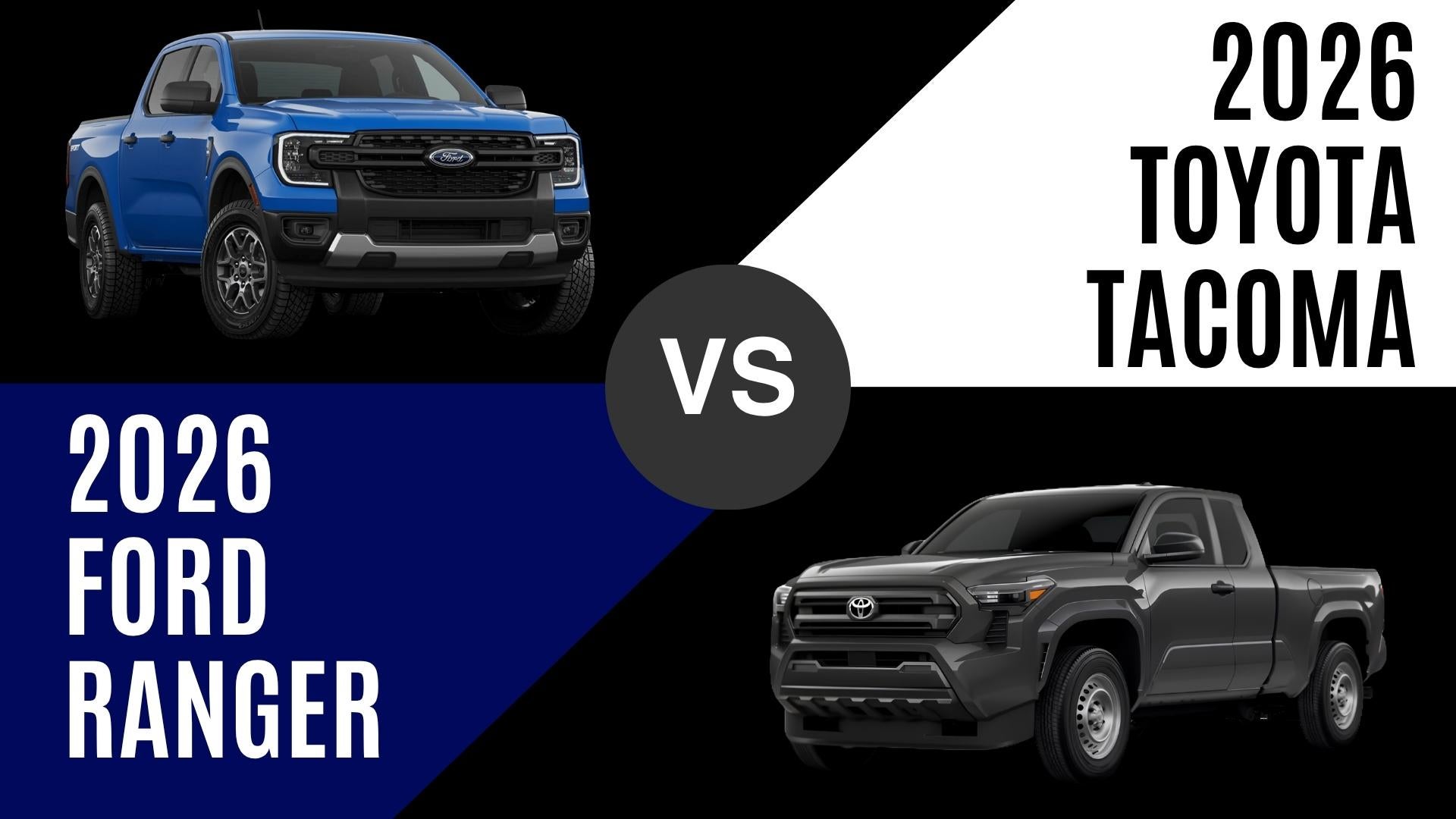
Finding the Right Midsize Truck for Everyday Arkansas Driving For many drivers around Jacksonville and Central Arkansas, a midsize truck offers the sweet spot between capability and everyday practicality. It’s large enough to tow equipment, handle weekend projects, and support outdoor adventures, but still manageable enough for commuting, parking, and daily driving around town. Shoppers comparing the 2026 Ford Ranger vs Toyota Tacoma in Jacksonville, AR will quickly notice that both trucks bring strong capability, modern technology, available four-wheel drive, and updated interiors to the segment. Where they begin separating themselves is in acceleration, towing confidence, interior flexibility, and overall road manners. Only gas-powered versions are covered in this comparison. Although Toyota also offers a Tacoma Hybrid, the information below focuses strictly on non-hybrid Ranger and Tacoma models. Vehicle Comparison 2026 Ford Ranger Horsepower 270-315 hp AWD Availability None Fuel Economy / Range 19-21/23-26 mpg (city/hwy) Seating Capacity 5 Top Features 12-inch SYNC 4 Touchscreen Available Twin-Turbo V6 Smart Interior Storage Solutions Towing Capacity Up to 7,500 lbs Bed Length 5-ft bed Find Your F-150 Today 2026 Toyota Tacoma Horsepower 228-278 hp AWD Availability None Fuel Economy / Range Up to 21/26 mpg (city/hwy) Seating Capacity 2-5 Top Features Available 14-inch Touchscreen Standard Toyota Safety Sense Off-Road Capability Towing Capacity Up to 6,500 lbs Bed Length 5-ft or 6-ft bed available Search Our Used Inventory Two Different Takes on the Modern Midsize Truck Capability matters in this segment, but personality still plays a major role in how buyers choose a truck. A cleaner and more refined look helps the Ranger feel slightly more modern overall. Ford designed it to balance work capability with everyday comfort, giving it a personality that feels equally comfortable on highways, job sites, and weekend road trips. By comparison, the Tacoma leans more heavily into rugged styling and outdoor-focused identity. Trail-oriented trims and traditional body-on-frame toughness continue making it especially appealing to buyers who prioritize off-road adventures. Some drivers may still be deciding whether a midsize truck or SUV better fits their lifestyle, especially when balancing passenger space, towing needs, and everyday practicality. A few differences that stand out: Ranger: refined styling and balanced daily usability Tacoma: rugged personality and stronger off-road image Both: available 4WD capability and midsize versatility Performance That Feels More Refined Than Expected Daily driving comfort can matter just as much as towing numbers for many midsize truck buyers. Behind the wheel, the Ranger feels smooth, responsive, and noticeably quicker than many competitors in the segment. Its available 315-horsepower twin-turbocharged V6 delivers strong acceleration, while the 10-speed automatic transmission helps the truck stay composed during highway driving and city traffic alike. Recent updates also improved the Tacoma’s overall ride quality. Models equipped with rear coil springs ride more comfortably than older Tacoma generations while still maintaining the rugged feel many truck owners appreciate. Acceleration testing favors the Ranger as well. Equipped with the available V6, it reached 60 mph in 5.6 seconds, while the Tacoma with the 278-horsepower engine reached 60 mph in 7.0 seconds. What drivers may notice most: Ranger: stronger acceleration and smoother road manners Tacoma: confident off-road feel with improved comfort Both: practical enough for commuting and weekend travel Interior Layouts Designed for Everyday Use Modern midsize trucks often serve multiple roles throughout the week. Inside the Ranger, practicality and organization feel like clear priorities. Storage cubbies throughout the cabin help keep smaller items organized, while the seating comfort and material quality feel more upscale than many buyers may expect from a midsize pickup. Toyota redesigned the Tacoma interior as well, adding improved materials, more headroom, and a more comfortable driving position compared to previous generations. Buyers wanting additional flexibility may appreciate the Tacoma’s wider variety of cab and bed combinations. Ford simplifies the Ranger lineup by sticking with a four-door crew cab and five-foot bed configuration. Choosing the right truck often comes down to balancing performance, practicality, comfort, and long-term value. Where the interiors separate themselves: Ranger: organized cabin with upscale materials Tacoma: greater cab and bed flexibility Both: modern interiors built for daily comfort Technology That Fits Naturally Into Daily Driving Technology continues to become a bigger part of truck ownership, especially during commuting and travel. Standard Ranger models include a 10.1-inch touchscreen, while upper trims upgrade to a larger 12-inch display and a 12.4-inch digital gauge cluster. Ford’s SYNC 4 system supports wireless Apple CarPlay and Android Auto while maintaining a layout that feels clean and easy to navigate. Across the Tacoma lineup, Toyota equips most trims with an 8-inch touchscreen while offering a larger 14-inch display on select models. Wireless smartphone integration also comes standard throughout the lineup. Compared side by side, the Ranger’s interface feels slightly more straightforward during everyday use, while the Tacoma blends rugged styling with modern infotainment features. Smartphone connectivity through Apple CarPlay and Android Auto continues becoming more important for many truck owners during everyday driving. Ford’s infotainment technology has continued evolving with larger displays, faster responsiveness, and more connected features over time (The Evolution of Sync 4). Technology highlights worth comparing: Ranger: clean SYNC 4 layout and larger available digital displays Tacoma: available 14-inch touchscreen and JBL audio system Both: wireless smartphone integration compatibility Confidence and Driver-Assist Features Modern truck buyers increasingly expect advanced safety technology alongside capability. Standard automatic emergency braking comes equipped on the Ranger, while blind-spot monitoring, adaptive cruise control, and lane-keeping assist become available through Ford Co-Pilot360. Many XLT trims already include several of those systems. Toyota includes a broader list of standard driver-assistance features throughout the Tacoma lineup, including adaptive cruise control, lane-keeping assist, and forward-collision warning. Driver-assistance technology remains a major priority for buyers focused on convenience and confidence during everyday driving. Safety highlights: Ranger: available Co-Pilot360 driver-assistance technology Tacoma: broader standard safety coverage Both: advanced safety systems for daily driving Towing Capability, Payload, and Fuel Economy Capability still remains one of the biggest reasons drivers choose a midsize truck. Properly equipped Ranger models can tow up to 7,500 pounds while carrying payloads up to 1,788 pounds, depending on configuration. Stronger acceleration from the available V6 also helps the truck feel more confident while towing. Maximum Tacoma towing capacity reaches 6,500 pounds, while payload capacity tops out at 1,705 pounds. Although still capable, the Tacoma trails the Ranger in maximum towing strength. Fuel economy between the two trucks remains competitive. The Ranger reaches up to 21 MPG city and 26 MPG highway, while the Tacoma reaches up to 21 MPG city and 26 MPG highway in non-hybrid configurations. Towing capability continues to rank among the top priorities for Arkansas truck buyers hauling small trailers, camping gear, and recreational equipment. Where the Ranger gains an advantage: Ranger: stronger towing capability and quicker performance Tacoma: proven off-road reputation and competitive MPG Both: versatile midsize capability with available 4WD Long-Term Value and Everyday Versatility Long-term ownership often comes down to how adaptable a truck feels over time. A combination of refined road manners, modern technology, strong towing capability, and everyday comfort helps the Ranger feel especially balanced for drivers who want one truck capable of handling commuting, travel, and weekend projects alike. Toyota continues offering one of the strongest complimentary maintenance plans in the segment, giving Tacoma buyers additional ownership confidence early on. Drivers focused heavily on off-road capability may also want to compare how Ford’s trail-focused vehicles stack up against competitors in rugged terrain, like the Jeep Wrangler. What buyers may appreciate most: Ranger: balanced performance and everyday practicality Tacoma: complimentary maintenance and off-road reputation Both: versatile midsize trucks for Arkansas drivers Which Truck Fits Jacksonville Drivers Best? Many drivers around Jacksonville want a truck that feels practical during the week while still remaining capable enough for towing, travel, and recreation on weekends. Off-road-focused buyers may still gravitate toward the Tacoma thanks to its rugged personality and trail-ready reputation. For drivers prioritizing a balance of acceleration, towing capability, technology, comfort, and everyday usability, the Ford Ranger delivers the stronger overall package. Refined road manners, quicker performance, and practical midsize versatility help make it one of the most well-rounded trucks in the segment today. Drivers ready to see the Ranger in person can view available trims and features at Crain Ford of Jacksonville. FAQs Q: Which truck can tow more, the Ranger or Tacoma? A: The Ford Ranger can tow up to 7,500 pounds, while the Toyota Tacoma maxes out at 6,500 pounds. Q: Which truck offers more cab and bed configurations? A: The Toyota Tacoma offers more cab and bed combinations, while the Ford Ranger keeps things simpler with a four-door crew cab and five-foot bed configuration. Q: Which truck offers better acceleration? A: The Ford Ranger delivers quicker acceleration, especially with the available 315-horsepower V6 engine.
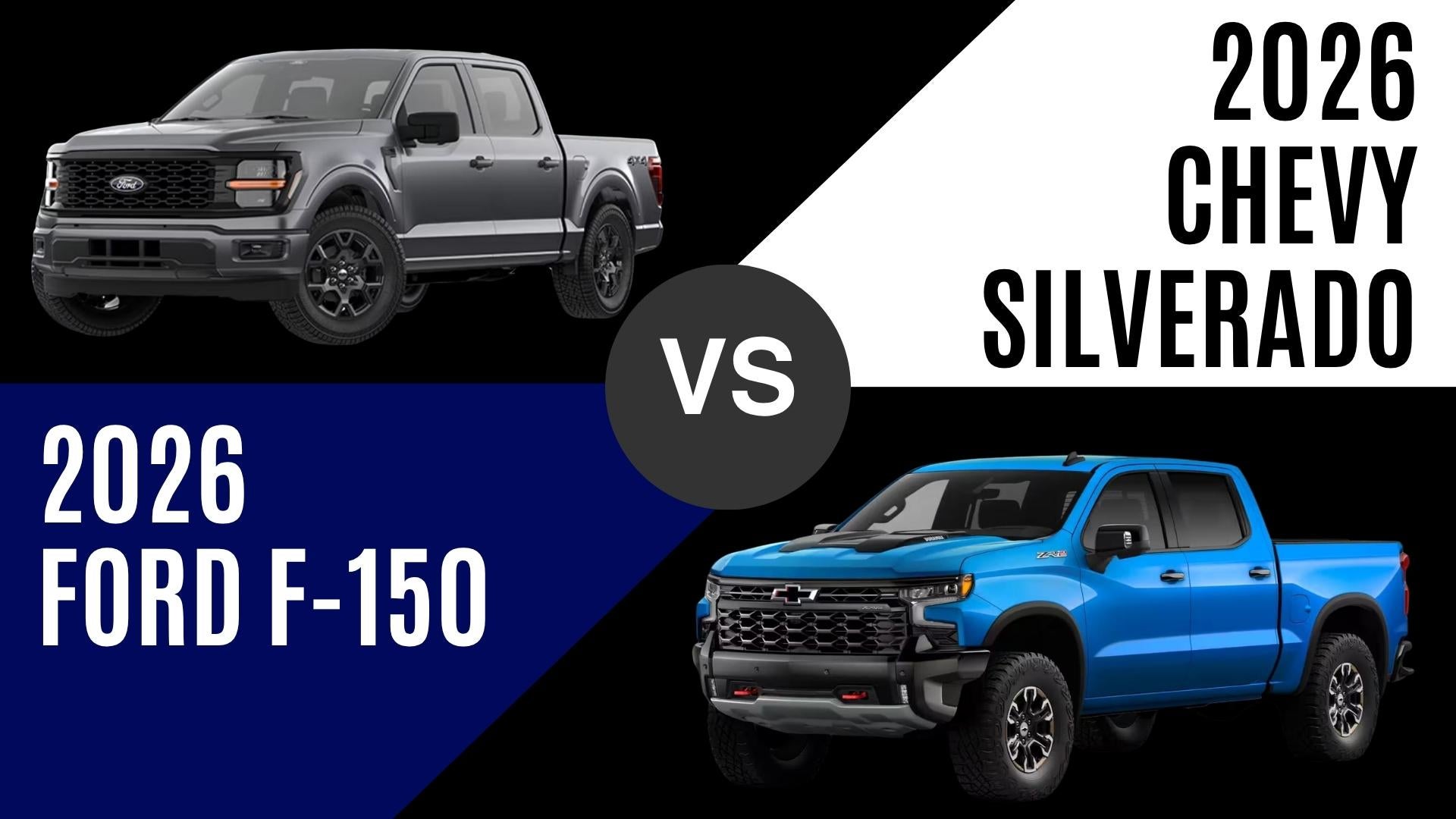
Choosing the Right Full-Size Truck for Life Around Central Arkansas A full-size truck isn’t just about towing or horsepower anymore. It’s about finding something that fits into everyday life around Jacksonville and Central Arkansas. From commuting toward Little Rock to handling projects in Cabot or navigating job sites around Sherwood, drivers often want a truck that balances capability, comfort, and long-term practicality. Looking at the 2026 Ford F-150 vs Chevrolet Silverado 1500 in Jacksonville, AR, both trucks deliver impressive capability, advanced technology, and multiple powertrain choices. The biggest differences come down to engine variety, interior flexibility, technology integration, and fuel economy. This comparison primarily reflects gas-powered configurations based on available fuel-economy data, while also acknowledging hybrid (F-150) and diesel (Silverado) powertrain options. Vehicle Comparison 2026 Ford F-150 Horsepower 325-430 hp AWD Availability Available Fuel Economy / Range 25 combined mpg (city/hwy) Seating Capacity 3-6 Top Features BlueCruise Pro Power Onboard SYNC Infotainment System Towing Capacity 13,500 lbs Find Your F-150 Today 2026 Chevrolet Silverado Horsepower Up to 420 hp AWD Availability Available Fuel Economy / Range 18 combined mpg (city/hwy) Seating Capacity 3-6 Top Features Super Cruise Multi-Flex Tailgate 13.4-inch Touchscreen Towing Capacity 13,300 lbs Search Our Used Inventory Built for Different Types of Truck Owners The F-150 is engineered with adaptability in mind. Its aluminum-alloy body helps reduce weight while improving efficiency and handling without sacrificing durability. For drivers who split time between work responsibilities and personal use, that balance becomes noticeable quickly. The Silverado takes a more traditional approach. Steel construction and bold styling reinforce its heavy-duty personality, giving it a rugged presence many truck buyers still appreciate. Drivers comparing trims and capabilities can also explore how different F-150 trim levels are designed for different priorities. What stands out: F-150: lightweight construction and everyday versatility Silverado: rugged styling and traditional truck feel Both: durable full-size truck capability Driving Experience Across Jacksonville and Beyond How a truck feels during everyday driving can matter just as much as maximum towing numbers. The F-150 feels composed and controlled, whether you're driving through Jacksonville traffic or merging onto highways toward Little Rock. Ford’s wide engine lineup also allows buyers to prioritize efficiency, capability, or a balance between the two. The Silverado delivers a softer and more relaxed ride overall. Its suspension tuning absorbs rough pavement well, making longer drives feel smoother and more comfortable. A few differences drivers may notice: F-150: stable handling and versatile engine options Silverado: smooth ride quality and strong torque delivery Both: comfortable enough for commuting and road trips Interior Space That Adapts to Everyday Life Modern trucks often serve as mobile offices, family vehicles, and weekend project haulers all at once. Inside the F-150, flexibility becomes a major strength. Fold-flat seating and configurable storage solutions help the cabin easily accommodate tools, equipment, and everyday cargo. The Silverado emphasizes spaciousness and cabin refinement. Crew Cab models provide generous passenger room, while higher trims introduce premium materials and a quieter overall experience. Drivers looking for a truck that balances work capability with everyday usability can also explore how Ford trucks fit different lifestyles. Where the cabins differ: F-150: flexible storage and work-ready functionality Silverado: quiet cabin and premium interior feel Both: spacious layouts with available upscale trims Technology That Matches Real-World Needs Technology in modern trucks needs to support both work and daily convenience. Ford equips the F-150 with the SYNC infotainment system, available BlueCruise hands-free highway driving, and Pro Power Onboard, which allows tools and equipment to draw power directly from the truck. Chevrolet counters with a large 13.4-inch touchscreen, wireless Apple CarPlay and Android Auto, and available Super Cruise hands-free driving technology. Drivers interested in Ford connectivity and driver-assistance technology can also learn more about SYNC and BlueCruise features. Ford also continues expanding smartphone integration and connected technology, like Apple CarPlay, across newer models. A few technology advantages worth considering: F-150: Pro Power Onboard and BlueCruise availability Silverado: large touchscreen and Super Cruise capability Both: advanced connectivity and modern infotainment systems Confidence Behind the Wheel Both trucks include advanced driver-assistance systems designed to support safer everyday driving. The F-150 emphasizes highway-driving support and driver-assistance technology that can help reduce fatigue during longer commutes across Central Arkansas. The Silverado includes Chevy Safety Assist as standard across all trims, giving drivers a broad suite of safety technology from the start. Drivers wanting a closer look at Ford safety and driver-assistance systems can also explore available Co-Pilot360 and related technology features. Safety highlights: F-150: highway-focused driver-assistance technology Silverado: strong standard safety coverage Both: modern safety systems throughout the lineup Capability, 4x4 Performance, and Fuel Economy Capability remains one of the biggest reasons buyers continue choosing full-size trucks. The F-150 offers engines producing between 325 and 430 horsepower in common configurations, along with available hybrid powertrains that help improve fuel economy. Certain configurations reach approximately 25 MPG in the city and 26 MPG on the highway. The Silverado also offers multiple engine options, including V8 and diesel choices that produce up to 420 horsepower. Fuel economy reaches approximately 17 MPG in the city and 20 MPG on the highway in common configurations. Drivers focused heavily on towing and hauling can also explore Ford truck towing capabilities and configurations in more detail. Where each truck takes a different approach: F-150: wider engine variety and stronger fuel economy Silverado: diesel capability and strong towing performance Both: available 4x4 systems for Arkansas driving conditions Long-Term Value and Everyday Versatility Long-term ownership often comes down to how easily a truck adapts to changing needs over time. The F-150 stands out through its flexibility, efficient available powertrains, and innovative features that support work, recreation, and daily commuting equally well. The Silverado focuses heavily on durability and towing-focused capability, making it especially appealing for buyers who prioritize traditional truck strength. Drivers wanting a closer look at how the F-150 balances work and everyday practicality can also explore additional ownership benefits and real-world use cases. F-150: versatile and efficient for everyday use Silverado: durable and towing-focused Both: strong long-term truck value Which Truck Fits Jacksonville Drivers Best? Truck buyers around Jacksonville often need something capable enough for demanding work while still remaining comfortable for commuting, travel, and everyday driving. The Silverado 1500 remains a strong choice for drivers who prioritize diesel capability, traditional truck styling, and a softer overall ride. The Ford F-150 continues to stand out for its flexibility, fuel economy, innovative features, and wide range of available configurations. For many Central Arkansas drivers, that balance makes it one of the most versatile trucks on the road today. FAQs Q: Which truck offers better fuel economy? A: Based on available data, the Ford F-150 delivers stronger fuel economy figures in comparable configurations. Q: Does the Ford F-150 offer hybrid power? A: Yes, the F-150 offers available hybrid powertrains depending on trim and configuration. Q: Which truck is better for towing and hauling? A: Both trucks offer impressive capability, though the Silverado remains especially popular among drivers prioritizing diesel towing performance.
Although every reasonable effort has been made to ensure the accuracy of the information contained on this site, absolute accuracy cannot be guaranteed. This site, and all information and materials appearing on it, are presented to the user "as is" without warranty of any kind, either express or implied. All vehicles are subject to prior sale. Price does not include applicable tax, title, and license charges. ‡Vehicles shown at different locations are not currently in our inventory (Not in Stock) but can be made available to you at our location within a reasonable date from the time of your request, not to exceed one week.
1800 School Drive
Jacksonville, AR 72076
| Monday | 9:00AM - 7:00PM |
| Tuesday | 9:00AM - 7:00PM |
| Wednesday | 9:00AM - 7:00PM |
| Thursday | 9:00AM - 7:00PM |
| Friday | 9:00AM - 7:00PM |
| Saturday | 9:00AM - 7:00PM |
| Sunday | Closed |
| Monday | 7:00AM - 6:00PM |
| Tuesday | 7:00AM - 6:00PM |
| Wednesday | 7:00AM - 6:00PM |
| Thursday | 7:00AM - 6:00PM |
| Friday | 7:00AM - 6:00PM |
| Saturday | 7:00AM - 3:00PM |
| Sunday | Closed |
| Monday | 7:00AM - 6:00PM |
| Tuesday | 7:00AM - 6:00PM |
| Wednesday | 7:00AM - 6:00PM |
| Thursday | 7:00AM - 6:00PM |
| Friday | 7:00AM - 6:00PM |
| Saturday | 7:00AM - 3:00PM |
| Sunday | Closed |