Blog / Jacksonville Ford Service

Blog

All Jacksonville Ford Service Jacksonville Ford Dealer Crain Ford Jacksonville Crain Ford Jacksonville Service Ford Technology Ford Comparisons Finance Ford Commercial Vehicles Ford Performance Vehicles Jacksonville Used Cars Crain Buys Cars Ford EVs Ford News
Crain Ford of Jacksonville Service Department in Jacksonville AR

How Often Should You Service Your Car? – Crain Ford of Jacksonville

One of the drivers' most common questions is, “How often should I service my car?” Regular maintenance is one of the most important parts of owning a vehicle, but the answer isn’t always the same for everyone. It depends on the make and model of your car, how often you drive, and even where you drive. At Crain Ford of Jacksonville, we want to help you understand what your vehicle needs so you can keep it running smoothly for years to come. Why Routine Service Is So Important Your car is one of the most significant investments you’ll ever make, and keeping up with routine maintenance is the best way to protect it. When you bring your vehicle in for service, you’re not just checking off a box but ensuring it stays safe, reliable, and efficient. Here are a few reasons why regular car service matters: Keeps You Safe: Services like brake inspections and tire checks prevent accidents before they happen. Saves Money: Fixing a small problem early is always cheaper than waiting for it to become a significant repair. Improves Gas Mileage: A clean air filter, fresh oil, and healthy tires help your car use less fuel. Protects Resale Value: A well-maintained car holds its value better when it’s time to trade or sell. Whether driving around Jacksonville, Sherwood, Cabot, or Little Rock Air Force Base, keeping up with service will give you peace of mind whenever you hit the road. A Basic Car Service Schedule So, how often should you service your car? While every Ford model differs slightly, most vehicles follow a similar maintenance timeline. Here’s a breakdown to use as a guide: Every 5,000–7,500 Miles: Oil change, tire rotation, and fluid check. This is the most common service interval and helps your engine run smoothly. Every 15,000 Miles: Replace air filters, inspect brakes, check belts and hoses, and test the battery. Every 30,000 Miles: Transmission fluid service, cooling system flush, and a deeper inspection of key systems. Every 60,000 Miles: Replace spark plugs, change timing belts (if equipped), and inspect the suspension. Every 100,000 Miles: Major service, including engine and transmission tune-ups. 📖 Pro Tip: Always check your Ford owner’s manual for the exact schedule. Some vehicles, like trucks and SUVs, may need different maintenance depending on how they are used. Signs Your Car Needs Service Sooner Even if you haven’t hit your mileage milestones, your car may tell you it’s time for service. Don’t ignore these warning signs: Dashboard lights like “check engine” or “service soon.” Strange noises such as squealing brakes or grinding gears. Shaking or vibrations when driving. Decreased gas mileage compared to normal. Hard starts or difficulty turning over the engine. If you notice any of these, schedule an appointment right away. Waiting too long can make the problem worse. The Jacksonville Ford Service Advantage When it’s time for maintenance, you want a trustworthy service center. Our certified Ford technicians at Crain Ford of Jacksonville know your vehicle inside and out. We use genuine Ford parts and the latest diagnostic tools to keep your car in shape. We offer a full range of services, including: Oil changes and filter replacements Tire rotations, balancing, and alignments Brake inspections and repairs Battery testing and replacement Transmission service Engine tune-ups and diagnostics Plus, convenient scheduling and fast service make it easy to keep track of your car’s needs without disrupting your busy day. Serving Jacksonville, Cabot, and Sherwood We’re proud to serve drivers across Central Arkansas, including Jacksonville, Sherwood, Cabot, and Little Rock Air Force Base. Whether you need a quick oil change or a full inspection, we’re here to help you keep your Ford running at its best. How Often Should You Service Your Car? The best rule of thumb is this: don’t wait. Follow the recommended service schedule in your owner’s manual, and if you notice something unusual, bring your car in immediately. Regular service keeps your vehicle safe, reliable, and efficient, while helping you avoid expensive repairs in the future. Ready to schedule your next appointment? Visit Crain Ford of Jacksonville today or book your service online. Our team is here to keep your Ford in peak condition so you can drive with confidence.
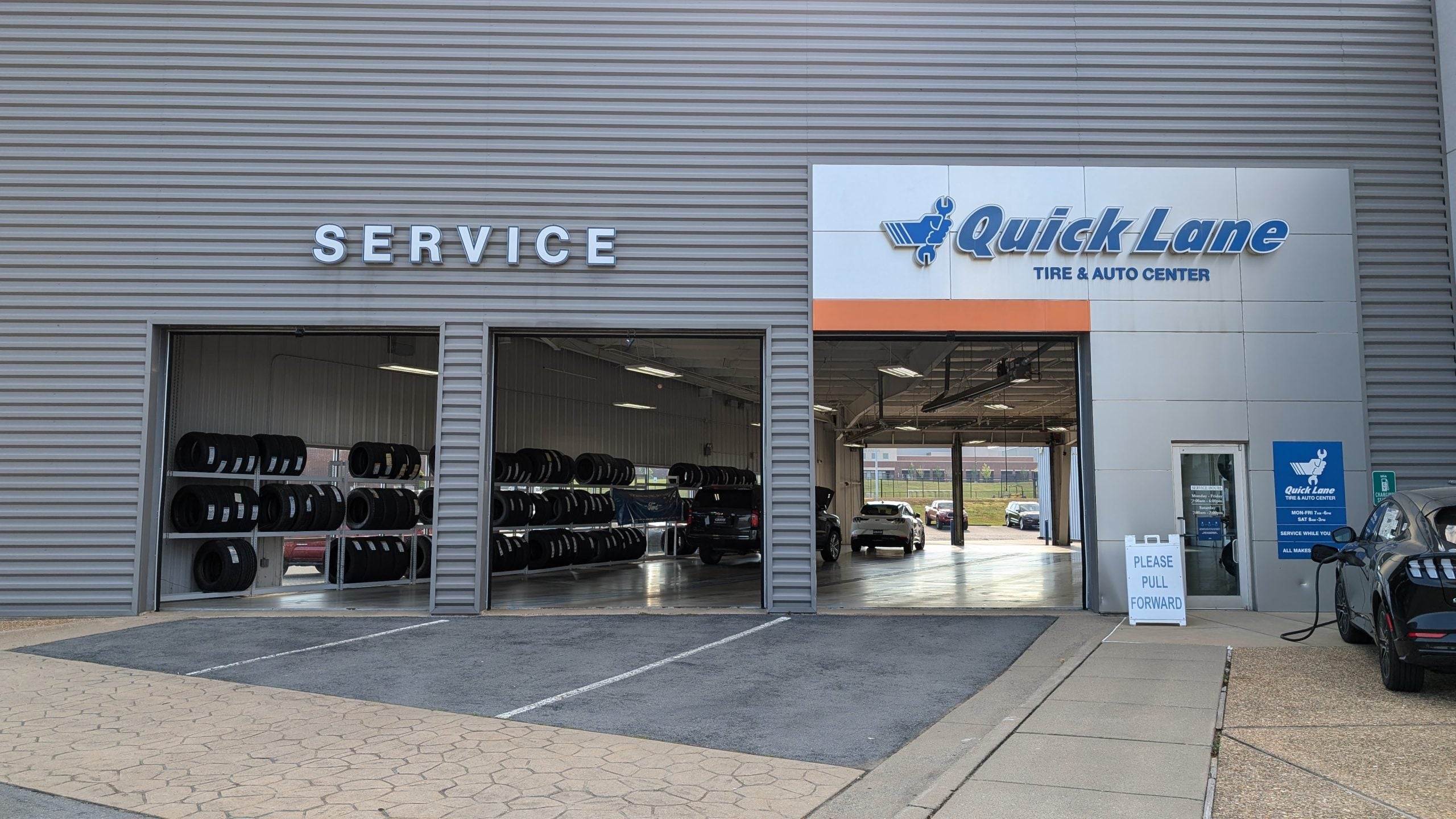
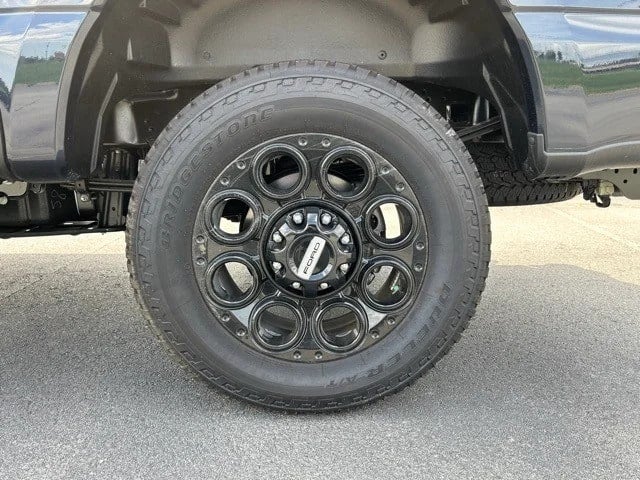
Ford 250 Tire at Crain Ford of Jackonsville

Genuine Ford Parts vs. Aftermarket: What’s the Difference?

When your Ford needs a repair, one of the most important choices you’ll make is the kind of parts you use. At Crain Ford of Jacksonville, we often get asked about the difference between genuine Ford parts and aftermarket parts. While both options are available, the choice can affect your vehicle’s performance, safety, and value. If you live in Jacksonville, Cabot, Sherwood, or anywhere in central Arkansas, this guide will help you understand the key differences, so you can make the best decision for your car or truck. 🚗 What Are Genuine Ford Parts? Genuine Ford parts, also called OEM (Original Equipment Manufacturer) parts, are the same parts that were used when your Ford was built at the factory. These parts are made by Ford or an approved partner and are designed specifically for your vehicle. Key Benefits of Genuine Ford Parts: Perfect Fit: OEM parts are made for your exact Ford model, so there’s no guesswork. High Quality: They meet Ford’s strict quality and safety standards. Warranty Protection: Most genuine parts come with a Ford-backed warranty, giving you peace of mind. Longer Lifespan: OEM parts are built to last, which means fewer replacements down the road. When you bring your car to Crain Ford of Jacksonville, we always recommend genuine Ford parts to keep your vehicle running its best. 🛠️ What Are Aftermarket Parts? Aftermarket parts are made by companies that aren’t connected to Ford. They are designed to fit many different vehicles, not just one model. Some are made to lower standards, while others may offer upgrades or different styles. Possible Advantages: Lower Cost: Some aftermarket parts are cheaper than OEM. More Variety: There are many brands and options to choose from. Custom Options: Some parts are made for upgrades, like performance or style. However, aftermarket parts can also be risky. If they don’t fit right or aren’t made well, they can cause more problems or even damage your vehicle. 🔍 Why Genuine Ford Parts Are Better for Jacksonville Drivers In Arkansas, where summer heat, heavy rain, and rural roads can be tough on vehicles, it’s important to use parts you can trust. When you drive a Ford F-150, Explorer, Escape, or Mustang, you want to know the replacement parts will keep your vehicle safe and reliable. That’s why drivers from Jacksonville, Cabot, and Sherwood choose genuine Ford parts. They’re built for your specific vehicle and tested for quality. Plus, if you ever trade in or sell your car, having OEM parts helps hold its value. 🧰 What Happens When You Use the Wrong Parts? Choosing the wrong part even something small like a filter or sensor can cause: Poor performance Extra wear on other parts Engine trouble or dashboard warning lights Safety issues A voided warranty At Crain Ford of Jacksonville, our trained technicians make sure every part is the right one. We’ll install it correctly and check for anything else your vehicle may need. 🚗 Trust Crain Ford of Jacksonville for Ford Parts and Service When it’s time for a repair or upgrade, you don’t have to guess which parts are right. At Crain Ford, we carry a full selection of genuine Ford parts and have expert technicians ready to help. We proudly serve drivers from Jacksonville, Little Rock Air Force Base, Cabot, Lonoke, and central Arkansas with trusted Ford service and honest advice. 📅 Schedule Your Service Today Whether you need an oil change, brake job, or major repair, our team is here for you. Call us or schedule online to get quality parts and expert service at Crain Ford of Jacksonville, your hometown Ford dealer. Want to check out our service specials going on right now? Visit us on 1800 School Drive in Jacksonville, AR, today! Did you know we have a Quick Lane Tire & Auto Center? Check it out!

A parked, blue 2023 Ford Escape. | Ford service in Jacksonville, AR.

What Happens During a Routine Ford Transmission Service?

Automobiles are designed to carry the driver, passengers, and cargo from a starting point to their intended destination. We can argue about which vehicle components are most vital, but to adjust speed to navigate safely through traffic, you'll need a transmission. Like other systems, transmissions require periodic maintenance. As your Ford dealer in Jacksonville, AR, Crain is the ideal place to have that maintenance done. What does Ford transmission service entail? Let us lay it out for you. How Often Should You Visit Your Jacksonville, AR Ford Dealer to Service Your Car or Truck's Transmission? Transmissions typically don't require service as frequently as engine, radiator, and brake systems. The usual range for changing transmission fluids and filters lies between 30,000 and 60,000 miles, with greater frequency recommended for vehicles used for towing. Check your owner's manual for a more precise figure for your particular vehicle. If you can't find your manual, you can usually obtain a copy online. Owners' manuals for most makes, models, and years can be downloaded at no charge. What Is the Difference Between a Transmission Fluid Change and Flush? Transmission flushes are more thorough than regular fluid changes, replacing the fluids in the lines and other portions of the transmission, as well as in the pan. Like engine oil, transmission fluid cools and lubricates the gears and other moving parts in your transmission. It often contains additives to keep everything clean. Over time and extensive use, dirt accumulates in the fluid. If it is dark and murky, rather than the normal red or green, a fluid change won't be sufficient. A transmission flush will be required. Does It Matter Whether Your Vehicle Has an Automatic or Manual Transmission? Automatic and manual transmissions differ in two key manners. Manual transmissions experience higher degrees of friction, whereas temperatures tend to rise much higher in automatics. As a result, each requires different fluids. Your Crain Ford technician will know the difference and service your vehicle accordingly. What Are the Warning Signs for Transmission Problems? Aside from the most obvious indicator (the blinking transmission light on your dashboard array), certain sights and sounds could be warning you that your transmission needs service. Grinding If your gears make a grinding noise when changing, it's a sure sign things are not going smoothly and it's time to have your transmission checked. Hesitation If there is a momentary delay between shifting and gear change, that is also an indication your transmission is failing. Smell Just as with the engine, an acrid, burning odor is a clear warning that something is wrong. Have your vehicle checked immediately. Seepage Keep an eye on your garage floor or driveway. When oily stains appear, it's a telling sign that fluids are leaking from your vehicle. If they're of a red or green tinge, it could be transmission fluid. What Does Crain Ford Transmission Service Entail? A full service of your transmission at Crain Ford includes a flush, gasket, fluid change, filter replacement, hose and pan inspection, and a multi-point inspection on all other transmission components. Our service technicians are highly trained and OEM-certified experts. Don't wait for your vehicle to develop transmission troubles or any other problems. Come into Crain Ford or make a service appointment now. We'll keep it running like a dream. Image via Ford.

A silver 2023 Ford Edge being driven on the road with buildings in the background. | Ford service in Jacksonville, AR.

How to Tell When Your Ford Needs a Radiator Repair

Is Ford's engine hotter than usual? Although there are several causes for the increased heat, the most typical is a faulty radiator. Do you want to maintain your car's peak performance? Watch out for the following signs to know if you need a radiator repair before consulting with your Ford dealer in Jacksonville, AR. Your Engine Has Temperatures That Are Too High When your engine's temperatures rise, your vehicle will gradually overheat. When this happens, check your Ford's temperature device on the dashboard tool panel to determine if its meter has risen above the middle. Typically, high temperatures imply issues with your radiator. Inspect the radiator immediately before the temperature rises further. At best, you may need more coolant. Still, don't risk damaging your engine permanently by driving the overheated car. Seek expert inspection. Your Engine Releases White Smoke When an abnormal amount of white smoke emanates from your car's engine, know there's an issue worth addressing. In general, white smoke may indicate leakage in the internal coolant system. This arises when your engine burns up your coolant, which exits through the exhaust. Although the issue might not cause alarm, have your dealer inspect the white smoke's origin to be safe. Your Vehicle Has a Poor Heating System Do you feel like your vehicle heater's system is compromised? Is your heater not efficient? If yes, you may have an issue with your radiator. Hot coolant fluid keeps your car heater power. When your radiator is compromised, it won't heat the coolant fluid sufficiently. Apart from experiencing excess heat, you'll also experience too much cold, which is more apparent during the cold season. Your Coolant Leaks on the Ground One of the most visible signs of a faulty radiator is having a coolant leakage underneath your vehicle. Are there drips or puddles of a bright green substance underneath it? This generally implies a leak in the radiator, which can cause permanent damage to your engine. Because the source of the leak could be your hose or other parts of your vehicle's cooling system, you shouldn't diagnose the problem yourself. We can help you identify whether your radiator is cracked and needs a replacement by conducting a pressure test. Your Radiator Discolors and Rusts When exposed to moisture and fluids for a long time, your radiator will start to look rusty because it's made up of metal. So, watch out for color changes. In some cases, the rust might be accompanied by sludge. Note that rust in your radiator can permanently damage your vehicle. The only way to get rid of it is by having your dealer flush your entire system. We not only specialize in flushing but also in replacing the corroded parts in your system. We are well aware that a simple flush is not adequate to fix the problem. If you've spotted any one of these signs, don't hesitate. Seek expert assessment today. Stop by Crain Ford of Jacksonville today and have your vehicle assessed.

Silver 2022 Ford Mustang being driven on the highway. | Ford service center in Jacksonville, AR.

The Top 6 Signs of a Faulty Ignition Coil

While on the road, ignition coils turn the relatively low voltage of a car's battery into a whopping 30,000 to 40,000 volts to ignite the combustion process. Each of your coils should last 100,000 miles or more, but eventually, all ignition coils start to falter. Here are the symptoms of a faulty ignition coil to look out for. If you notice the following issues, visit your local Ford dealer to have the malfunctioning coil cleaned or replaced. Misfiring Engine A spark plug relies on its ignition coil to keep firing more than 30 times per second. This steady stream of sparks continually ignites the fuel-air mixture inside each combustion chamber, powering your engine. If one of your ignition coils stops doing its job properly, the corresponding combustion chamber will start misfiring. You're likely to hear the engine coughing and sputtering. It might also jolt and shudder. Rough Idling Even with just one failing ignition coil, your engine will begin to struggle when idling. Rough idling feels like the engine might fail altogether at any moment. And if more than one of your ignition coils falters, you might indeed stall while pausing at a traffic light. Loss of Power While working less efficiently, your engine will lose some of its power. This is often most noticeable when attempting to accelerate. It becomes dangerous to overtake other vehicles as you might not have access to the necessary burst of speed. Falling Gas Mileage When a coil breaks down, your engine keeps injecting fuel into the cylinders at the same rate. But this fuel is no longer combusting as efficiently as it should. The result is reduced fuel efficiency and less bang for your buck at the gas station. Backfiring When the fuel-air mixture inside a combustion chamber stops burning away properly, an excess of fuel can build up in the chamber. This excess fuel can build up and then suddenly be released into the scorching-hot exhaust headers. This sometimes causes a bang as it ignites and you'll often see black smoke emitting from your tailpipe. Car Won't Start With one failing ignition coil, you'll often find it harder to start your engine in the morning. If more than one ignition coil has bitten the dust, you might not be able to start your car at all. How a Ford Dealer Inspects Your Coils When a technician takes a look at an ignition coil, they can check the voltage with a multimeter tool and also with a spark test. They can also swap out the coil with a new one to see if that clears up the engine trouble. A failed ignition coil can sometimes be cleaned to restore functionality. But more often, it will need to be replaced. Visit Crain Ford of Jacksonville today to have your ignition coils examined, cleaned, or replaced. Our courteous, knowledgeable staff can guide you through our extensive range of vehicles and services. Image via Ford.

A red 2023 Ford Explorer parked with the lights on and buildings in the background. | Ford service in Jacksonville, AR.

Does Your Ford Need New Brake Pads?

Brake pads serve a vital role in your car's braking system. They generate friction against the wheel rotors that bring your car to a stop. This friction they generate also means they slowly wear out and need replacement. As your Ford dealer, we'd like to tell you about some signs that you need to see us for replacement pads ASAP. Screeching Pads Loud screeching noises when you brake are almost always caused by worn pads. Each pad has a 1/2" thick friction material cover. The material wears down slightly each time you apply the brakes. The pads can also wear due to other problems with the brakes, for example, a jammed brake caliper. As the pads wear down, you'll notice your braking system will take an increasingly longer time to engage. Once the pads reach 1/4" thick, they are due for replacement. As a reminder, the manufacturers install a metal spike in each pad. This spike becomes visible and will scratch against the smooth rotor surface. The spike doesn't cause damage, but it does mean your pads need to be replaced. Grinding Pads If the pads are not replaced when they start to screech, they will continue to wear down. The spike will break off, and the last of the friction material will flake off. When this happens, the bare metal of the pads will be pushed against the rotors the next time you brake. You'll begin to hear a grinding sound that becomes louder as time passes. The grinding sound is caused by the rough metal of the pads scouring the smooth surfaces of the rotors. The longer this continues, the more damage the pads will do to the rotors. This damage may even require the replacement of the rotors depending on the level of damage they sustain. Our technicians can replace the pads, and we'll examine the rotors to assess the damage. Once we've examined the rotors, we will repair or replace them. Glazed Pads As we've seen, the pads are pushed against the rotors to bring them to a stop. As soon as you take your foot off the brake, the calipers retract and the pads are automatically withdrawn. Glazing occurs when the pads are kept in contact with the rotor surface for an extended period. This can be caused by riding your brakes or by a damaged caliper that doesn't fully withdraw. Extended contact with the rotors turns the friction material smooth and glass-like. Smooth pads are very dangerous, as they can't generate friction to stop your wheels. Glazed pads need to be replaced immediately. If you're experiencing any of these problems, call us right away at Crain Ford Jacksonville. Image via Ford.

Interior view of a 2023 Ford F-150. | Ford dealer in Jacksonville, AR.

Does Your Ford Need a New Car Air Filter?

A car air filter cleans the air that flows to the engine to ensure optimal engine efficiency. Over time the air filter collects dirt and particles and prevents clean airflow. A dirty and clogged air filter will cause various problems and could ultimately damage your car's engine. Below your Ford dealer tells you what to look out for when it's time to replace the air filter in your F-150, EcoSport, or Edge. The Check Engine Light Is On A dirty and clogged air filter will not allow enough filtered air to flow to the engine, triggering the check engine light. Always pay attention to the check engine light to avoid damage to your car's engine and other components. When the check engine light is on, schedule a maintenance service at your dealer as soon as possible. Your Car Guzzles Gas A filthy air filter might be why you suddenly have to fill up more often, even when driving the same distance. A dirty air filter prevents clean airflow, and your car uses more gas to compensate for the shortage of clean air, causing you to spend more money at the gas station. Your Car Feels Sluggish and Slow When the engine does not get sufficient clean air due to a dirty and clogged air filter, it will impact your car's engine efficiency. Your engine will not run as smoothly, causing your car to feel sluggish and slow when you step on the accelerator. You Hear Unusual Noises When the airflow to the engine is restricted, you will hear popping noises or spluttering and coughing sounds coming from under the hood. Your Car Vibrates and Idles Roughly A dirty air filter limits the amount of air that flows to the combustion chamber. Your car will begin to vibrate and idle roughly. You Struggle To Start Your Car Another symptom of a dirty and clogged air filter is when you struggle to get your car going. The limited amount of airflow causes unburnt fuel to change into soot, preventing a spark and causing starting issues and misfires. Black Smoke Pours Out of Your Car's Tailpipe Black smoke from your car's tailpipe is due to a dirty air filter causing an incorrect air-fuel mixture. When you see smoke in your rearview mirror, call your dealer to schedule a maintenance appointment immediately to prevent engine damage. Ford recommends replacing your air filter every 15,000 to 30,000 miles depending on your model, to prevent damage to your car's engine. You can find the air filter replacement intervals for your specific model in your Ford owner's manual. Call Crain Ford Jacksonville today to schedule a maintenance service, and our certified Ford technicians will ensure that your vehicle is in top-running condition. Image via Ford.

A parked, black 2022 Ford F-150. | Ford dealer in Jacksonville, AR.

6 Benefits of Getting a Tire Rotation From Your Ford Dealer

You've probably heard of rotating your tires, but do you know why it's so important? Here are six benefits of a tire rotation so you can know when to visit your Ford dealer. 1. Prolongs the Life of Your Tires Tires aren't cheap, so you want to get as much use out of them as possible. Unfortunately, tires tend to wear down unevenly, with the front sustaining more wear and tear than the rear ones. Over time, this uneven wear will cause your tires to become bald and need replacing. Getting your tires rotated regularly will help to distribute the wear evenly and prolong the life of your tires. 2. Saves You Money Getting your tires rotated can save you a lot of money in the long run. As we mentioned, tires are not cheap, and replacing all four at once can set you back a pretty penny, depending on the make and model of your vehicle. By getting your tires rotated regularly, you can avoid having to replace them as often and save yourself some serious cash. 3. Improves Your Vehicle's Handling Unevenly worn tires can negatively impact your vehicle's handling. When one tire is significantly worn down, it can cause your car or truck to pull to one side while driving. This can make steering difficult and dangerous. Getting your tires rotated helps to keep all four in good condition, which leads to improved handling overall. 4. Helps Maintain Traction Your tire tread provides traction for your vehicle, which is necessary for braking, accelerating, and making turns. When one tire is significantly more worn than the others, it can cause problems while driving. Again, this can be dangerous and lead to accidents. Maintaining even tread across all four tires helps ensure good traction at all times. 5. Prevents Uneven Braking When one tire is excessively worn, it can cause braking problems. Worn brakes slow down reaction time and make it difficult to stop smoothly. This could lead to an accident if you're not careful. Regularly rotating your tires helps keep them in good condition and ultimately keeps you safe when you need them the most. 6. Makes Your Vehicle More Fuel-Efficient The more evenly your tires wear, the better fuel efficiency you'll experience. When one tire is significantly worn, it can cause drag, leading to decreased fuel efficiency. Rotating your tires regularly can help you save money at the pump which is always a bonus. Now that you know about the benefits of rotating your tires make it a priority to get yours done regularly! Visit us today at Crain Ford of Jacksonville to have your tires rotated and save yourself time and money down the road! Image via Ford.

Close view of the front grille area of a red 2022 Ford Edge. | Ford dealer in Jacksonville, AR.

3 Engine Problems You Should Always Get Fixed at Your Ford Dealer

Engines are complex pieces of machinery, filled with numerous interconnected parts. A failure of any of these parts creates a problem  that impacts the whole engine. If your Ford is showing signs of engine problems in Jacksonville, FL, come in and see your Ford dealer. These are a few possible problems that our Ford-trained experts can fix for you. Stalling If your car suddenly stalls while you're driving, it could cause an accident. Engine stalling is caused by the spark plugs failing to fire, which prevents combustion. Stalling can be caused by several different issues, including worn spark plugs, a blocked catalytic converter, or a fuel-rich engine. Our technicians will need to examine your engine to find the exact cause of the problem. A blocked catalytic converter, for example, can cause your engine to fail. The waste products from combustion are dumped into the exhaust system and converted into harmless chemicals by the converter. If the converter is blocked, these waste products will flow back into your engine. Their presence will produce a fuel-rich engine environment that prevents the plugs from firing and stalls your engine. Clogged Radiator Your radiator is responsible for cooling your engine. Liquid coolant is pumped through the engine, and it absorbs heat as it travels. When the coolant reaches your radiator, the heat is removed by heat exchange with the outside air. The coolant is recirculated through the cooling system. The coolant will continue to circulate until the engine temperature drops below a preset point. The coolant absorbs dirt, metal chips, rust, and other debris in its travels through your engine. This debris is left behind in the radiator by the coolant when it cools. In time, this debris can build up and block the radiator, tubes, and hoses. If the radiator is blocked, your engine will rapidly start to overheat. Our technicians can perform a radiator flush to remove the debris. Blocked Air Filter Your engine requires 14x more air then fuel for combustion. All of the air your engine needs enters it via the air filter. This filter traps dirt and dust, ensuring that only clean air enters the engine. In time, however, the filter will become clogged, and this blocks the flow of air. If your engine doesn't get the air it needs for combustion, it will develop problems. Misfiring, black exhaust smoke, poor acceleration, and even stalling are just some of the problems caused by a lack of air. Our technicians can quickly and easily install a replacement and all these problems will disappear. A problem with your engine will grow if it's not fixed. Call our service department today at Crain Ford Jacksonville. Image via Ford.

Interior view of a 2022 Ford Bronco. | Ford service center in Jacksonville, AR.

What's Included in Ford's 2022 New Car Warranty?

When you buy a new vehicle you'll want to know that your investment is protected by a comprehensive warranty package. Ford's is one of the best there is, with coverage guaranteed to give you peace of mind. We here at your local Ford dealer are proud of the warranty Ford offers on new vehicles, so we wanted to give you this quick guide to the main things included in your Ford new car warranty! New Vehicle Limited Warranty The New Vehicle Limited Warranty is commonly referred to as the "bumper-to-bumper" warranty, because that's what it covers: pretty much everything on your car between the two bumpers! This warranty covers just about every major component of your vehicle, including the powertrain, suspension, and more. Your new Ford is covered under this warranty for up to 3 years or 36,000 miles, whichever of the two comes first. Powertrain Warranty Even after your new Ford passes the 3-year mark and is no longer covered by the New Vehicle Limited Warranty, Ford's warranty package still offers you lots of protection with the Powertrain Warranty, which covers the powertrain of your vehicle (i.e., the engine, transmission, axles, and wheels). These essential components of your vehicle are covered under this warranty for up to 5 years or 60,000 miles. Corrosion Warranty The mechanical integrity of your car is important, but drivers know that body rust is another constant threat to a vehicle's integrity. Luckily, it's one that Ford's warranty package accounts for! The Corrosion Warranty covers the cost of any kind of rust perforation in your vehicle's body panels, and it does so for up to 5 years, with unlimited mileage. Emissions Defect Warranty The Emissions Defect Warranty is designed to give drivers peace of mind by guaranteeing that your any repairs or replacements to your vehicle's catalytic converter, electronic emissions control unit, and onboard emissions diagnostic devices are covered for up to 8 years or 80,000 miles. Hybrid and Electric Vehicle Battery Warranty With so many drivers making the switch to electric or hybrid vehicles, it's important to ensure there's coverage for electric and hybrid vehicles, too! This aspect of the warranty package covers electric drivetrains and batteries for up to 8 years or 80,000 miles. Now that you've got an idea of what's covered by Ford's top-of-the-line warranty when you buy a new vehicle, it's time to start checking out Ford's exciting line-up and figuring out which Ford is the right car for you. Come visit us at Crain Ford Jacksonville, and we'll help get you in the perfect vehicle that matches your driving needs today. Image via Ford.

Red 2021 Ford EcoSport being driven on the highway with trees in the background. | Ford service center in Jacksonville, AR.

7 Benefits of Getting Regular Car Maintenance at Your Ford Dealer

Just as you go to the doctor to stay healthy, your car needs regular car maintenance to remain in excellent running condition. When you take your Ford F-150, Explorer, or EcoSport for routine maintenance at your Ford dealer, you'll spend less on fuel and unexpected repair costs, your car will be reliable, and you'll be much safer behind the wheel. 1. Your Car Will Run at its Best Regular maintenance services from the qualified Ford technicians at your dealership will ensure your vehicle performs at its best. All the parts and systems will work properly and run smoothly. 2. Your Car Will Be Reliable When your Ford is well-maintained and in tip-top shape, you will be confident that you can rely on your car and drive anywhere at any time. You will drive to your destination without stressing that your vehicle might break down and leave you stranded on the side of the road. 3. You Will Save Money on Gas It's a fact that a well-maintained car in good running condition burns less gas. You will save a ton of cash at the gas pump when every vehicle component is regularly serviced and working properly to ensure your car is running as it should. 4. You'll Be Safer on the Road Safe driving is directly linked to your Ford's operating condition. When you take your car for regular maintenance services, your Ford technician performs specific maintenance tasks, including fluid checks and corrections, inspections, and replacements to ensure your vehicle is properly working. Regular maintenance will prevent unsuspected breakdowns and potentially dangerous situations such as failing brakes or tire blowouts. 5. You'll Spend Less on Unexpected Repairs Taking your car for regular maintenance does not only prevent unsuspected mechanical problems but will also save you money on high repair costs. It's far cheaper to take your vehicle for a regular service than to pay for unsuspected repairs and replacements. Maintenance at the factory recommended intervals will ensure that all the moving parts are lubricated to reduce friction that causes wear. Your Ford technician will detect issues early and perform the necessary repairs before a minor problem turns into an expensive replacement. 6. Your Car Will Last Longer Regular services from a qualified Ford technician at your dealership and a little maintenance and care from you will improve your car's performance. When the oil is changed regularly and your engine runs smoothly, you will drive your Ford for years to come. 7. Regular Maintenance Will Increase the Resale Value The day you want to trade your car for a new Ford, you will get a higher price if your vehicle is in good condition. A regularly maintained car with an up-to-date service record will have a higher market value. It will preserve the value of your Ford for a more extended period and slow down the depreciation. Stick to your Ford's service schedule and maintenance intervals, and you will enjoy every mile behind the wheel. Don't procrastinate when it comes to routine vehicle maintenance. Call Crain Ford Jacksonville today to schedule a maintenance appointment to reap all the benefits of a smooth-running engine. Image via Ford.

A black 2022 Ford Bronco parked on rocks in a deserted area. | Ford dealer in Jacksonville, AR.

Does Your Ford Need a New Catalytic Converter?

Catalytic converters were invented as a means to save the environment from pollutants, keep our cities free of smog, and ensure our air stays fresh and breathable. Not only is this device legally mandated to be included in your fuel system, but it can also benefit you through improved fuel economy and increased horsepower. If you suspect your converter is going out, this list will offer you some hints to decide if it's time for an update. 1. Loud Noise Beneath the Vehicle The purpose of the converter is to trap harmful gases from your exhaust and use a catalyst, usually a precious metal, to change the molecule into a harmless form. Along with the catalyst, this is accomplished through a ceramic base and layers of mesh. When degraded, the mesh can fall apart and bounce around within the metal casing, resulting in a rattling sound. This noise will become especially apparent as the engine turns over. If the noise is exceptionally loud you may have lost your converter completely. A situation like this may be accompanied by a sulfur smell and will sound like a roar when you accelerate the engine. 2. The Engine Light Turns On Having the engine light turn on can mean a variety of issues, and a damaged converter may be one of them. When the device's film becomes clogged, air is unable to pass through the engine as it should. This results in an incorrect mixture of fuel and air, which may be picked up by your ratio and oxygen sensor. A mechanic should be able to run the error codes and let you know if your engine light relates to your airflow. 3. Decreased Performance Engines are designed to run with an ideal mixture of air to fuel, and when the converter is clogged or damaged that ratio will be incorrectly balanced. When you attempt to accelerate, gas will be added to the engine but have no air to actually burn with it, resulting in more trips to the pump and more money wasted. These days converters can improve your fuel economy and horsepower beyond serving their usual function. A high-flow converter contains more of the precious material than the basic version as well as a wider mesh film, resulting in faster conversion of the pollutants with an increase in the volume of air your engine can pass. If you want to get the most out of your vehicle you're going to want a converter that is functioning at its best. Keeping this device clean and operational ensures the safety of everyone on the road. Visit Crain Ford of Jacksonville and be certain you are getting the best fuel economy and horsepower from your engine. Image via Ford.

Contact Us

Fill out this form below and we'll contact you shortly
*Required Fields