

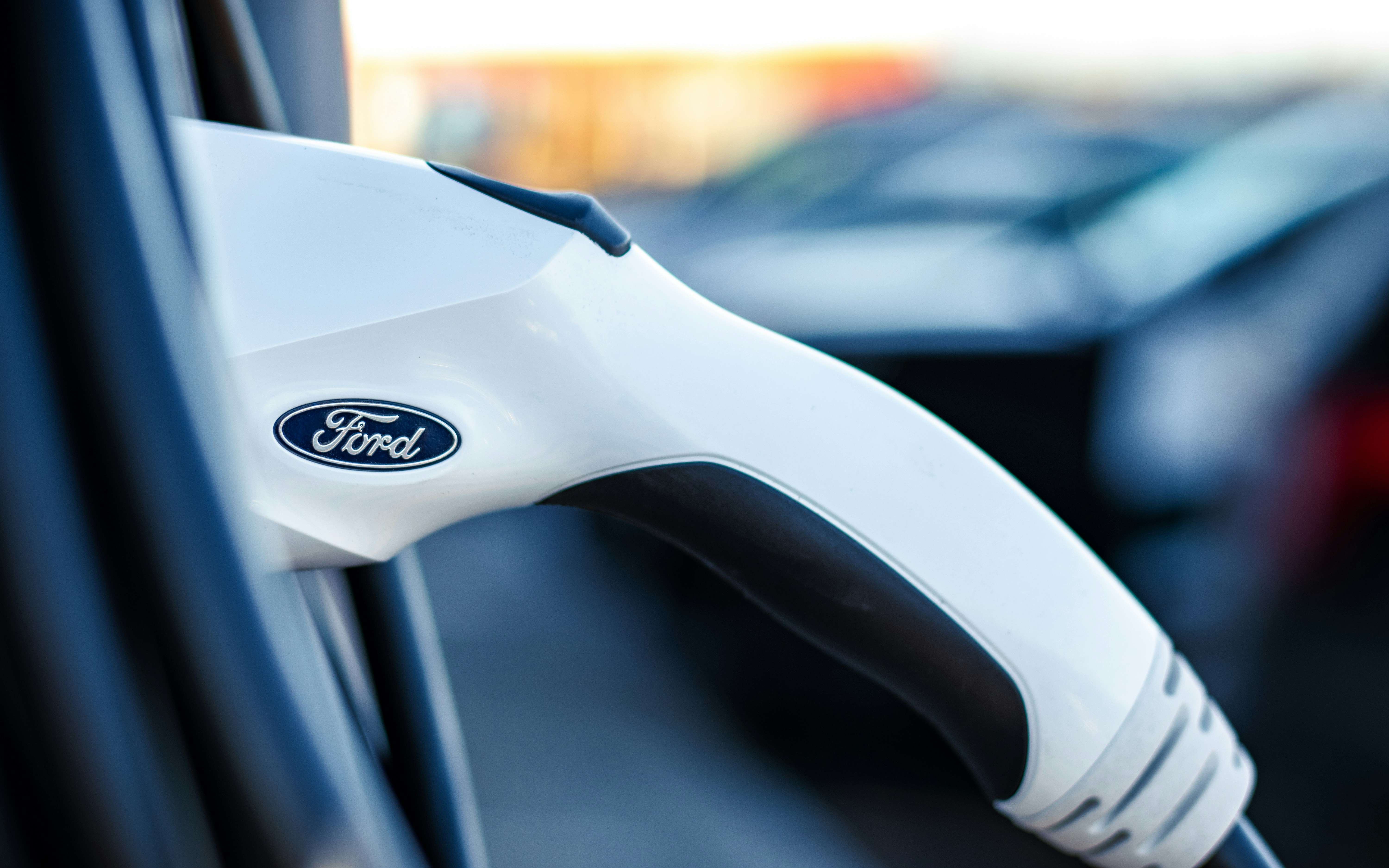
When you purchase your first electric vehicle—or EV for short—your first question is probably, “How do I charge this thing?” Or maybe it’s, “Where can I charge my vehicle?” These are common questions that most EV owners have because electric vehicles are such a new technology. Tesla used to be the only EV maker in the game, but now every car manufacturer under the sun seems to be getting in on the game. Only in the past few years have EVs become more mainstream, with some of the biggest car manufacturers in the world now producing EVs.
If you’re a new EV owner and have questions about how EV charging stations work, where you can charge your EV, and how to set up a charger at home, Crain Ford in Jacksonville, Arkansas has got you covered. Here’s everything you need to know about EV charging stations.
What is an EV Charging Station?
An EV charging station is a place where you can plug up and charge your new electric vehicle. Like gas stations for gasoline or diesel-powered vehicles, EV charging stations let EV owners hook up to a public charging port and charge their electric vehicle’s battery.
Think of a charging station like the charging cable for your cellphone, computer, or other battery-powered device. When the battery on your device gets low, and you don’t plug it in to charge, you risk being without it when your battery power hits zero. Similarly, without charging your EV’s battery, you could be without your vehicle and risk being stranded somewhere when your EV battery runs out.
Here’s How EV Charging Stations Work
Most EV charging stations are open to the public, and some are even free. However, like a gas station, the owner and operator charges a specific rate to provide electricity to patrons. Most charging stations charge by the kilowatt hour – or kWh – and are usually priced per minute. The average price per minute to charge an EV battery is $0.30 to $0.60 per kWh, but this rate varies from state-to-state, just like average gasoline prices.
You may be wondering about the price comparison between charging an EV at a station and filling up your gasoline-powered vehicle with fuel. According to the U.S. Department of Energy, the average EV driver should expect to save around $14,500 compared to gasoline-powered cars over 15 years. Not only is the energy cheaper, but EVs also don’t require the 3,000-5,000 mile oil maintenance that gasoline-powered vehicles need to run smoothly.
Where To Find EV Charging Stations
Now that you know how EV charging stations work and how much they cost, let’s discuss where to find one. A few years ago, before EVs broke into the mainstream, finding an EV charging station, even on major highways, was challenging.
Thankfully, there is now a growing network of public charging stations throughout North America, making it easy to find one and keep your battery running at full power. The U.S. Department of Energy provides a free map to help you locate any nationwide charging station.
The U.S. government has recently made significant strides in making it easier for the public to find information on EVs and purchase a new vehicle. Many EVs, from major manufacturers like Ford, Tesla, and more, now qualify for a $7,500 tax credit on a new vehicle purchase. This tax credit through the IRS has made it easier for dealerships to sell new EVs to curious customers.
How To Setup a Charging Station at Home
When you own an EV, you don’t want to always rely on charging stations to charge your vehicle. Not only is it inconvenient, but it can also be costly compared to charging your EV at home. That’s why most EVs come with at-home charging equipment that you can install in your garage, driveway, or wherever is most convenient for your home. These charging stations are great for plugging your car in overnight and waking up to a fresh, fully charged battery.
Typically, homeowners have two types of charging equipment available: AC Level 1 (120-volt) and AC Level 2 (240-volt). Level 2 chargers can charge EVs in less time than a Level 1 charger. Many new EVs come with a Level 1 standard charger.
Level 2 chargers are more expensive to install than Level 1 chargers, but they can also charge your vehicle’s battery in less time.
Ultimately, it’s up to you to decide which charging equipment you want to install at your home for your EV.
Come to Crain Ford for Your Next EV
If you’re currently searching for a brand new Ford EV, come to Crain Ford in Jacksonville, Arkansas, and let us help you find the perfect vehicle for you!
Contact us today for more information on our EVs in stock right now.
Connect with us


Recent Blog Entries
- 2026 Ford Expedition vs Toyota Sequoia in Jacksonville, AR
- 2026 Ford Ranger vs Toyota Tacoma in Jacksonville, AR
- Ford Trucks vs SUVs in Arkansas: Which Is Right for Your Needs in Jacksonville?
- 2026 Ford F-150 vs Chevrolet Silverado 1500 in Jacksonville, AR
- Best Ford SUVs for Families in Arkansas: Top Picks for Daily Driving in Jacksonville