Does Your Ford Need New Brake Pads?

Brake pads serve a vital role in your car’s braking system. They generate friction against the wheel rotors that bring your car to a stop. This friction they generate also means they slowly wear out and need replacement. As your Ford dealer, we’d like to tell you about some signs that you need to see us for replacement pads ASAP.
Screeching Pads
Loud screeching noises when you brake are almost always
caused by worn pads. Each pad has a 1/2″ thick friction material cover.
The material wears down slightly each time you apply the brakes. The pads can
also wear due to other problems with the brakes, for example, a jammed brake
caliper. As the pads wear down, you’ll notice your braking system will take an
increasingly longer time to engage.
Once the pads reach 1/4″ thick, they are due for replacement. As a
reminder, the manufacturers install a metal spike in each pad. This spike
becomes visible and will scratch against the smooth rotor surface. The spike
doesn’t cause damage, but it does mean your pads need to be replaced.
Grinding Pads
If the pads are not replaced when they start to screech,
they will continue to wear down. The spike will break off, and the last of the
friction material will flake off. When this happens, the bare metal of the pads
will be pushed against the rotors the next time you brake. You’ll begin to hear
a grinding sound that becomes louder as time passes.
The grinding sound is caused by the rough metal of the pads scouring the smooth
surfaces of the rotors. The longer this continues, the more damage the pads
will do to the rotors. This damage may even require the replacement of the
rotors depending on the level of damage they sustain. Our technicians can replace
the pads, and we’ll examine the rotors to assess the damage. Once we’ve
examined the rotors, we will repair or replace them.
Glazed Pads
As we’ve seen, the pads are pushed against the rotors to bring them to a stop. As soon as you take your foot off the brake, the calipers retract and the pads are automatically withdrawn. Glazing occurs when the pads are kept in contact with the rotor surface for an extended period. This can be caused by riding your brakes or by a damaged caliper that doesn’t fully withdraw.
Extended contact with the rotors turns the friction material smooth and glass-like. Smooth pads are very dangerous, as they can’t generate friction to stop your wheels. Glazed pads need to be replaced immediately.
If you’re experiencing any of these problems, call us right away at Crain Ford Jacksonville.
Image via Ford.
Does Your Ford Need a New Car Air Filter?
A car air filter cleans the air that flows to the engine to ensure optimal engine efficiency. Over time the air filter collects dirt and particles and prevents clean airflow. A dirty and clogged air filter will cause various problems and could ultimately damage your car’s engine. Below your Ford dealer tells you what to look out for when it’s time to replace the air filter in your F-150, EcoSport, or Edge.
The Check Engine Light Is On
A dirty and clogged air filter will not allow enough
filtered air to flow to the engine, triggering the check engine light. Always
pay attention to the check engine light to avoid damage to your car’s engine
and other components. When the check engine light is on, schedule a maintenance
service at your dealer as soon as possible.
Your Car Guzzles Gas
A filthy air filter might be why you suddenly have to fill
up more often, even when driving the same distance. A dirty air filter prevents
clean airflow, and your car uses more gas to compensate for the shortage of
clean air, causing you to spend more money at the gas station.
Your Car Feels Sluggish and Slow
When the engine does not get sufficient clean air due to a
dirty and clogged air filter, it will impact your car’s engine efficiency. Your
engine will not run as smoothly, causing your car to feel sluggish and slow
when you step on the accelerator.
You Hear Unusual Noises
When the airflow to the engine is restricted, you will hear
popping noises or spluttering and coughing sounds coming from under the hood.
Your Car Vibrates and Idles Roughly
A dirty air filter limits the amount of air that flows to
the combustion chamber. Your car will begin to vibrate and idle roughly.
You Struggle To Start Your Car
Another symptom of a dirty and clogged air filter is when
you struggle to get your car going. The limited amount of airflow causes
unburnt fuel to change into soot, preventing a spark and causing starting
issues and misfires.
Black Smoke Pours Out of Your Car’s Tailpipe
Black smoke from your car’s tailpipe is due to a dirty air filter causing an incorrect air-fuel mixture. When you see smoke in your rearview mirror, call your dealer to schedule a maintenance appointment immediately to prevent engine damage.
Ford recommends replacing your air filter every 15,000 to 30,000 miles depending on your model, to prevent damage to your car’s engine. You can find the air filter replacement intervals for your specific model in your Ford owner’s manual. Call Crain Ford Jacksonville today to schedule a maintenance service, and our certified Ford technicians will ensure that your vehicle is in top-running condition.
Image via Ford.
Get to Know the 2023 Ford F-150
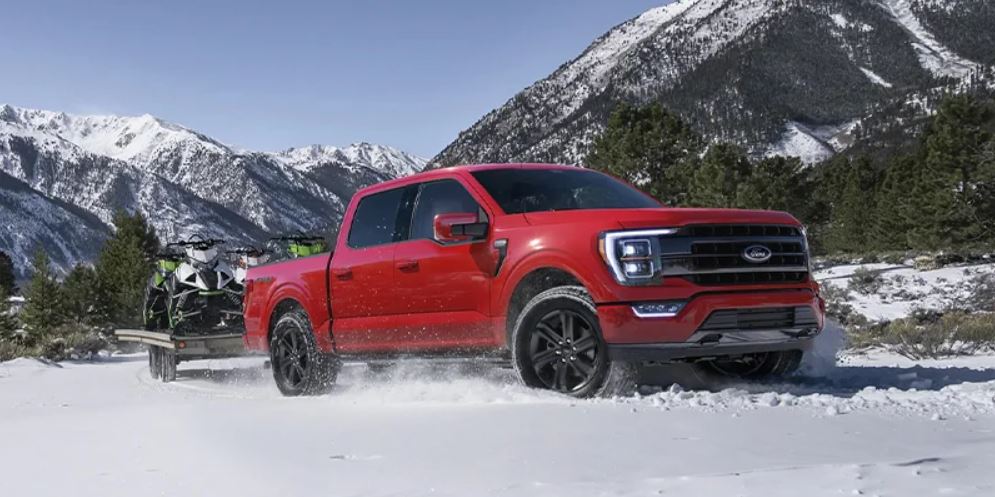
The 2023 Ford F-150 is the perfect pickup for drivers looking for a truck that’s just as powerful off-road as it is on highways. In addition to its versatility and strong performance, it offers a comfortable, spacious cabin with cutting-edge tech features, as well as some of the most advanced safety systems on the market today. As a proper introduction, here are some of the many standout features you’ll find in this edition of the F-150.
Performance
Available four-wheel drive, a multi-mode terrain management
system, and several impressive engines are just some of the 2023 F-150’s
offerings when it comes to performance. Among its engine options, there’s a
high-output 3.5-liter V6 that produces 450 horsepower and a full hybrid
3.5-liter engine that not only conserves fuel but also churns out 430 horses.
On the extreme end, a 700-horsepower 5.2-liter V8 is also available, for
drivers who thrive on adrenaline, while even the smallest engine, a 2.7-liter
V6, delivers impressive strength with 325 horsepower. As for towing, you’ll
have no problems hauling recreational vehicles or a boat behind this truck with
its 14,000-pound maximum tow rating.
Interior
The F-150’s interior blends luxury and productivity features
together for a comfortable environment that seats as many as six passengers.
The stowaway gear shifter hides itself to make room for the fold-out work
surface, while the ambient lighting and heated leather seats can help make
every drive more relaxing.
The front seats can also be fully reclined, and you can accommodate both
passengers and cargo in the rear of the cabin with the available 60/40
split-folding bench seat.
Technology
Long known for its innovative technology, the F-150 has
always been a pioneer, and this edition certainly doesn’t disappoint with the
SYNC infotainment system and 4G LTE Wi-Fi hotspot. Connect your smartphone
wirelessly to the vehicle, make hands-free calls, get up-to-date traffic
information, or connect multiple personal devices to the Internet with these
two features.
There’s also Pro Power Onboard and the Onboard Scales feature. The first is a
mobile generator that allows you to plug in power tools, while the latter lets
you weigh cargo as you’re loading it into the bed of the truck.
Safety
Top-notch safety features are also found in this pickup, including Pre-Collision Assist with Automatic Emergency Braking, which can detect both vehicles and pedestrians in your path while stopping the vehicle if you fail to yield in time.
To keep you more secure while on steep inclines, there’s Hill Start Assist, and Adaptive Cruise Control keeps the truck distanced from other vehicles on the road while controlling both acceleration and braking.
The 2023 F-150 is a must-drive pickup, thanks to its impressive performance options, trail-tackling versatility, and dazzling tech features. To schedule a test drive, contact us today at Crain Ford of Jacksonville, and we’ll be here ready to show you everything else this legendary pickup has to offer.
Image via Ford.
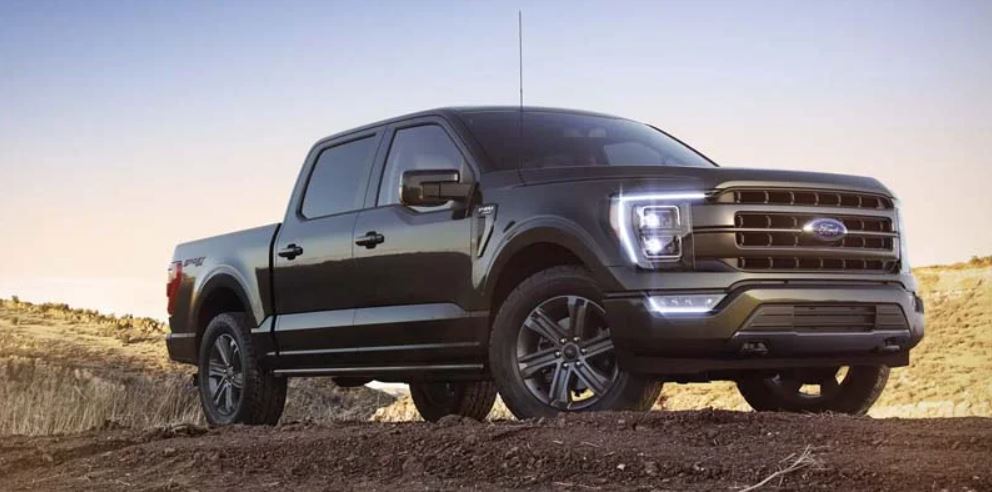
You’ve probably heard of rotating your tires, but do you know why it’s so important? Here are six benefits of a tire rotation so you can know when to visit your Ford dealer.
1. Prolongs the Life of Your Tires
Tires aren’t cheap, so you want to get as much use out of
them as possible. Unfortunately, tires tend to wear down unevenly, with the
front sustaining more wear and tear than the rear ones. Over time, this uneven
wear will cause your tires to become bald and need replacing. Getting your
tires rotated regularly will help to distribute the wear evenly and prolong the
life of your tires.
2. Saves You Money
Getting your tires rotated can save you a lot of money in
the long run. As we mentioned, tires are not cheap, and replacing all four at
once can set you back a pretty penny, depending on the make and model of your
vehicle. By getting your tires rotated regularly, you can avoid having to
replace them as often and save yourself some serious cash.
3. Improves Your Vehicle’s Handling
Unevenly worn tires can negatively impact your vehicle’s
handling. When one tire is significantly worn down, it can cause your car or
truck to pull to one side while driving. This can make steering difficult and
dangerous. Getting your tires rotated helps to keep all four in good condition,
which leads to improved handling overall.
4. Helps Maintain Traction
Your tire tread provides traction for your vehicle, which is
necessary for braking, accelerating, and making turns. When one tire is
significantly more worn than the others, it can cause problems while driving.
Again, this can be dangerous and lead to accidents. Maintaining even tread
across all four tires helps ensure good traction at all times.
5. Prevents Uneven Braking
When one tire is excessively worn, it can cause braking
problems. Worn brakes slow down reaction time and make it difficult to stop
smoothly. This could lead to an accident if you’re not careful. Regularly
rotating your tires helps keep them in good condition and ultimately keeps you
safe when you need them the most.
6. Makes Your Vehicle More Fuel-Efficient
The more evenly your tires wear, the better fuel efficiency you’ll experience. When one tire is significantly worn, it can cause drag, leading to decreased fuel efficiency. Rotating your tires regularly can help you save money at the pump which is always a bonus.
Now that you know about the benefits of rotating your tires make it a priority to get yours done regularly! Visit us today at Crain Ford of Jacksonville to have your tires rotated and save yourself time and money down the road!
Image via Ford.
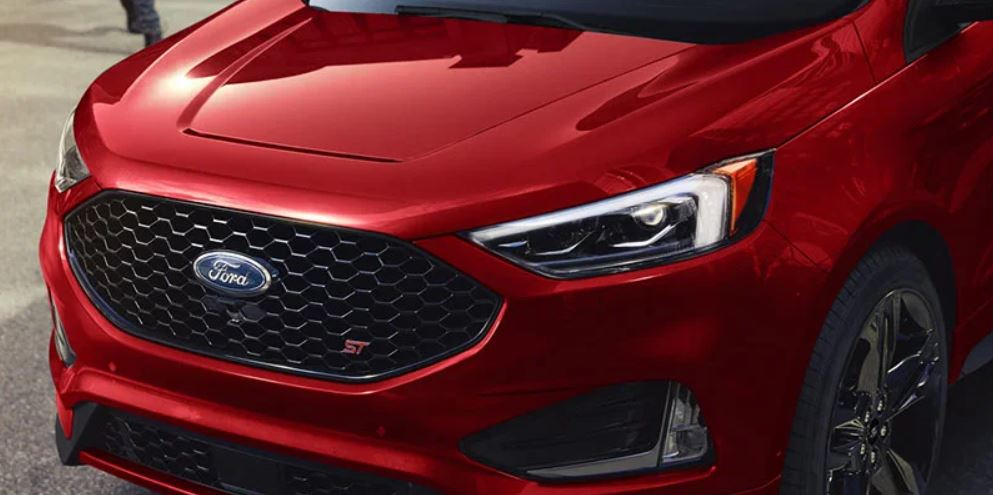
Engines are complex pieces of machinery, filled with numerous interconnected parts. A failure of any of these parts creates a problem that impacts the whole engine. If your Ford is showing signs of engine problems in Jacksonville, FL, come in and see your Ford dealer. These are a few possible problems that our Ford-trained experts can fix for you.
Stalling
If your car suddenly stalls while you’re driving, it could
cause an accident. Engine stalling is caused by the spark plugs failing to
fire, which prevents combustion. Stalling can be caused by several different
issues, including worn spark plugs, a blocked catalytic converter, or a
fuel-rich engine. Our technicians will need to examine your engine to find the
exact cause of the problem.
A blocked catalytic converter, for example, can cause your engine to fail. The
waste products from combustion are dumped into the exhaust system and converted
into harmless chemicals by the converter. If the converter is blocked, these
waste products will flow back into your engine. Their presence will produce a
fuel-rich engine environment that prevents the plugs from firing and stalls
your engine.
Clogged Radiator
Your radiator is responsible for cooling your engine. Liquid
coolant is pumped through the engine, and it absorbs heat as it travels. When
the coolant reaches your radiator, the heat is removed by heat exchange with
the outside air. The coolant is recirculated through the cooling system. The
coolant will continue to circulate until the engine temperature drops below a
preset point.
The coolant absorbs dirt, metal chips, rust, and other debris in its travels
through your engine. This debris is left behind in the radiator by the coolant
when it cools. In time, this debris can build up and block the radiator, tubes,
and hoses. If the radiator is blocked, your engine will rapidly start to overheat.
Our technicians can perform a radiator flush to remove the debris.
Blocked Air Filter
Your engine requires 14x more air then fuel for combustion. All of the air your engine needs enters it via the air filter. This filter traps dirt and dust, ensuring that only clean air enters the engine. In time, however, the filter will become clogged, and this blocks the flow of air. If your engine doesn’t get the air it needs for combustion, it will develop problems.
Misfiring, black exhaust smoke, poor acceleration, and even stalling are just some of the problems caused by a lack of air. Our technicians can quickly and easily install a replacement and all these problems will disappear.
A problem with your engine will grow if it’s not fixed. Call our service department today at Crain Ford Jacksonville.
Image via Ford.
What’s Included in Ford’s 2022 New Car Warranty?

When you buy a new vehicle you’ll want to know that your investment is protected by a comprehensive warranty package. Ford’s is one of the best there is, with coverage guaranteed to give you peace of mind. We here at your local Ford dealer are proud of the warranty Ford offers on new vehicles, so we wanted to give you this quick guide to the main things included in your Ford new car warranty!
New Vehicle Limited Warranty
The New Vehicle Limited Warranty is commonly referred to as the “bumper-to-bumper” warranty, because that’s what it covers: pretty much everything on your car between the two bumpers! This warranty covers just about every major component of your vehicle, including the powertrain, suspension, and more. Your new Ford is covered under this warranty for up to 3 years or 36,000 miles, whichever of the two comes first.
Powertrain Warranty
Even after your new Ford passes the 3-year mark and is no longer covered by the New Vehicle Limited Warranty, Ford’s warranty package still offers you lots of protection with the Powertrain Warranty, which covers the powertrain of your vehicle (i.e., the engine, transmission, axles, and wheels). These essential components of your vehicle are covered under this warranty for up to 5 years or 60,000 miles.
Corrosion Warranty
The mechanical integrity of your car is important, but
drivers know that body rust is another constant threat to a vehicle’s
integrity. Luckily, it’s one that Ford’s warranty package accounts for! The
Corrosion Warranty covers the cost of any kind of rust perforation in your
vehicle’s body panels, and it does so for up to 5 years, with unlimited mileage.
Emissions Defect Warranty
The Emissions Defect Warranty is designed to give drivers
peace of mind by guaranteeing that your any repairs or replacements to your
vehicle’s catalytic converter, electronic emissions control unit, and onboard
emissions diagnostic devices are covered for up to 8 years or 80,000 miles.
Hybrid and Electric Vehicle Battery Warranty
With so many drivers making the switch to electric or hybrid vehicles, it’s important to ensure there’s coverage for electric and hybrid vehicles, too! This aspect of the warranty package covers electric drivetrains and batteries for up to 8 years or 80,000 miles.
Now that you’ve got an idea of what’s covered by Ford’s top-of-the-line warranty when you buy a new vehicle, it’s time to start checking out Ford’s exciting line-up and figuring out which Ford is the right car for you. Come visit us at Crain Ford Jacksonville, and we’ll help get you in the perfect vehicle that matches your driving needs today.
Image via Ford.
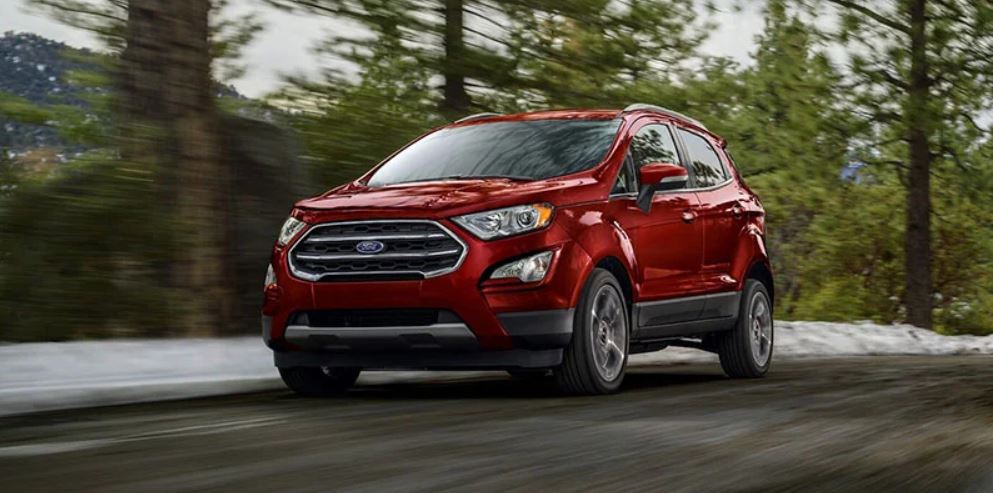
Just as you go to the doctor to stay healthy, your car needs regular car maintenance to remain in excellent running condition. When you take your Ford F-150, Explorer, or EcoSport for routine maintenance at your Ford dealer, you’ll spend less on fuel and unexpected repair costs, your car will be reliable, and you’ll be much safer behind the wheel.
1. Your Car Will Run at its Best
Regular maintenance services from the qualified Ford
technicians at your dealership will ensure your vehicle performs at its best.
All the parts and systems will work properly and run smoothly.
2. Your Car Will Be Reliable
When your Ford is well-maintained and in tip-top shape, you
will be confident that you can rely on your car and drive anywhere at any time.
You will drive to your destination without stressing that your vehicle might
break down and leave you stranded on the side of the road.
3. You Will Save Money on Gas
It’s a fact that a well-maintained car in good running
condition burns less gas. You will save a ton of cash at the gas pump when
every vehicle component is regularly serviced and working properly to ensure
your car is running as it should.
4. You’ll Be Safer on the Road
Safe driving is directly linked to your Ford’s operating
condition. When you take your car for regular maintenance services, your Ford
technician performs specific maintenance tasks, including fluid checks and
corrections, inspections, and replacements to ensure your vehicle is properly
working. Regular maintenance will prevent unsuspected breakdowns and
potentially dangerous situations such as failing brakes or tire blowouts.
5. You’ll Spend Less on Unexpected Repairs
Taking your car for regular maintenance does not only
prevent unsuspected mechanical problems but will also save you money on high
repair costs. It’s far cheaper to take your vehicle for a regular service than
to pay for unsuspected repairs and replacements.
Maintenance at the factory recommended intervals will ensure that all the
moving parts are lubricated to reduce friction that causes wear. Your Ford
technician will detect issues early and perform the necessary repairs before a
minor problem turns into an expensive replacement.
6. Your Car Will Last Longer
Regular services from a qualified Ford technician at your
dealership and a little maintenance and care from you will improve your car’s
performance. When the oil is changed regularly and your engine runs smoothly,
you will drive your Ford for years to come.
7. Regular Maintenance Will Increase the Resale Value
The day you want to trade your car for a new Ford, you will get a higher price if your vehicle is in good condition. A regularly maintained car with an up-to-date service record will have a higher market value. It will preserve the value of your Ford for a more extended period and slow down the depreciation.
Stick to your Ford’s service schedule and maintenance intervals, and you will enjoy every mile behind the wheel. Don’t procrastinate when it comes to routine vehicle maintenance. Call Crain Ford Jacksonville today to schedule a maintenance appointment to reap all the benefits of a smooth-running engine.
Image via Ford.
Does Your Ford Need a New Catalytic Converter?

Catalytic converters were invented as a means to save the environment from pollutants, keep our cities free of smog, and ensure our air stays fresh and breathable. Not only is this device legally mandated to be included in your fuel system, but it can also benefit you through improved fuel economy and increased horsepower. If you suspect your converter is going out, this list will offer you some hints to decide if it’s time for an update.
1. Loud Noise Beneath the Vehicle
The purpose of the converter is to trap harmful gases from
your exhaust and use a catalyst, usually a precious metal, to change the
molecule into a harmless form. Along with the catalyst, this is accomplished
through a ceramic base and layers of mesh. When degraded, the mesh can fall
apart and bounce around within the metal casing, resulting in a rattling sound.
This noise will become especially apparent as the engine turns over.
If the noise is exceptionally loud you may have lost your converter completely.
A situation like this may be accompanied by a sulfur smell and will sound like
a roar when you accelerate the engine.
2. The Engine Light Turns On
Having the engine light turn on can mean a variety of
issues, and a damaged converter may be one of them. When the device’s film
becomes clogged, air is unable to pass through the engine as it should. This
results in an incorrect mixture of fuel and air, which may be picked up by your
ratio and oxygen sensor. A mechanic should be able to run the error codes and
let you know if your engine light relates to your airflow.
3. Decreased Performance
Engines are designed to run with an ideal mixture of air to fuel, and when the converter is clogged or damaged that ratio will be incorrectly balanced. When you attempt to accelerate, gas will be added to the engine but have no air to actually burn with it, resulting in more trips to the pump and more money wasted.
These days converters can improve your fuel economy and horsepower beyond serving their usual function. A high-flow converter contains more of the precious material than the basic version as well as a wider mesh film, resulting in faster conversion of the pollutants with an increase in the volume of air your engine can pass.
If you want to get the most out of your vehicle you’re going to want a converter that is functioning at its best. Keeping this device clean and operational ensures the safety of everyone on the road. Visit Crain Ford of Jacksonville and be certain you are getting the best fuel economy and horsepower from your engine.
Image via Ford.
Car AC Not Working? Visit Your Ford Dealer Today

Your car AC not working won’t prevent you from driving. It can, however, it does make driving more unpleasant. As your Ford dealer, we want you to enjoy every minute of your Ford. We can fix your AC problem very quickly. These are a few signs that your AC is on the fritz.
Damaged Expansion Valve
The expansion valve in your AC regulates the flow of
refrigerant. Refrigerant is the gas that enables your AC to work by cooling the
air. The valve receives signals to open or close depending on the amount of
refrigerant in the system. When the valve opens, the compressor will pump
refrigerant, and the compressor shuts down when the valve closes.
The valve is a vital part of the system, and if it’s damaged your AC will
develop problems. If the valve jams open, too much refrigerant will be
released. This will damage the compressor and freeze the evaporator. If the
valve jams closed, no refrigerant will be released, and your AC could overheat
and suffer damage. Our technicians will test the valve and replace it if it’s
jammed.
Leaking Refrigerant
The refrigerant gas is essential for your AC. This
highly-pressurized gas changes between gas and liquid states to cool the air
for your AC. As the AC operates, the refrigerant absorbs heat from the air. The
heat is then removed, and the refrigerant is chilled to cool the air in your
cabin. This process will continue as long as your AC is on.
A refrigerant leak will not only produce hot air from your AC, but it will also
lead to damage to the compressor and other AC components. This makes finding
the leak a priority. Our technicians are highly-skilled at tracing AC leaks
using UV dye and scanners. Once we’ve pinpointed the leak, we’ll seal it and
refill the refrigerant. You’ll have cold air blowing through the system in no
time.
Blocked Drain Line
Your AC produces water as part of the cooling process. This water has to be removed, and that’s where the drain line comes in. Water collects in the evaporator heater tank and drains out the drain line. This line is the cause of the water you see pooled under your car when the AC has been running.
The drain line runs behind the dash on the passenger side of the cabin and exits through the floor. A blocked drain line will cause the heater tank to fill up, and eventually overflow. The water will then run out onto the passenger carpet. Our technicians can unblock the drain line to fix this problem.
If your AC lets you down, call us at Crain Ford Jacksonville. Our technicians will fix the problem for you.
Image via Ford.
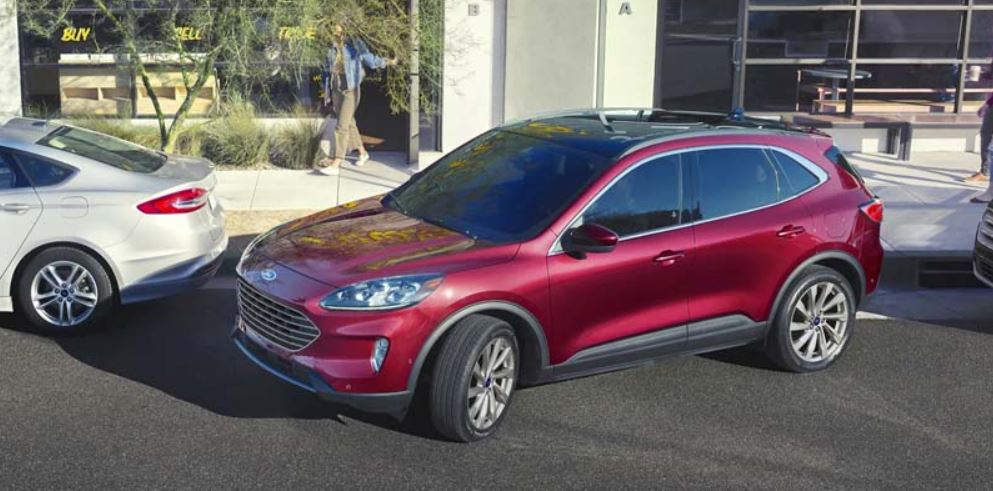
Your Ford’s battery provides the power to start your engine, and it maintains all of your car’s electrical systems. A battery, however, has a relatively short lifespan. On average, your battery will need to be replaced in three to five years. As your Ford dealer, we’d like you to know some of the signs that we need to fit a new car battery for you.
Rotten Egg Smell
A rotten egg smell wafting from your engine compartment
means that your battery is failing. Your battery contains a variety of
chemicals, and the chemical reactions allow your battery to store electricity.
One of the main chemicals is sulfuric acid. This acid is essential for your
battery, but it will break down over time and release hydrogen gas.
Hydrogen gas can escape from the battery, and it will mix with other chemicals
in the air. The hydrogen will form hydrogen sulfide, a dangerous and colorless
gas. Hydrogen sulfide has a characteristic smell of rotten eggs. When you smell
this, your battery is starting to fail. We can’t repair the battery, but we can
fit a new one for you.
Corroded Terminals
Your battery has positive and negative terminals which allow
it to transfer and receive electricity. These terminals are a prime candidate
for corrosion by the hydrogen sulfide mentioned above. Hydrogen sulfide gas is
drawn to the battery terminals, and it will produce an acidic salt on them.
This acidic salt slowly degrades the terminals.
The hydrogen sulfide from a worn battery can also corrode other parts of your
car, including the battery cables. As the terminals and cables begin to
corrode, your battery will become even weaker. Our technicians will need to
replace your battery and check the cables and other parts for signs of corrosion.
A Worn Alternator
A battery stores electricity, but doesn’t produce it. Your alternator is responsible for recharging your battery. If your alternator is working as it should, your battery will always be at full capacity. When your alternator starts to fail, it will begin producing less electricity. The lack of velocity affects all of your Ford’s electrical systems, and it will also affect your battery recharging.
As the power supply from the alternator drops, your battery will receive less electricity when it’s being recharged. As the amount of power in starting your car remains the same, this means your battery will become steadily weaker in time. If the alternator isn’t fixed, your battery will eventually die.
A dead battery can easily leave you stranded. If you suspect you have a battery problem, call our service department right away at Crain Ford Jacksonville. Our Ford-trained technicians will fix it for you.
Image via Ford.
Connect with us


